The post Toilet Paper Manufacturing Business: Where Hygiene Meets Profit first appeared on Mzansi Magazine.
]]>The simple roll of toilet paper manufacturing is something that you can find almost anywhere, and it can also be a surprising source of business ideas. While some may perceive toilet paper as an ordinary product, the manufacturing process is far from mundane. This business is constantly changing because of what customers want, how technology is changing, and growing environmental concerns. For the eager businessperson, it’s an intriguing mix of useful needs and ways to make money.
How to Understand the Market: A Roll of Chances
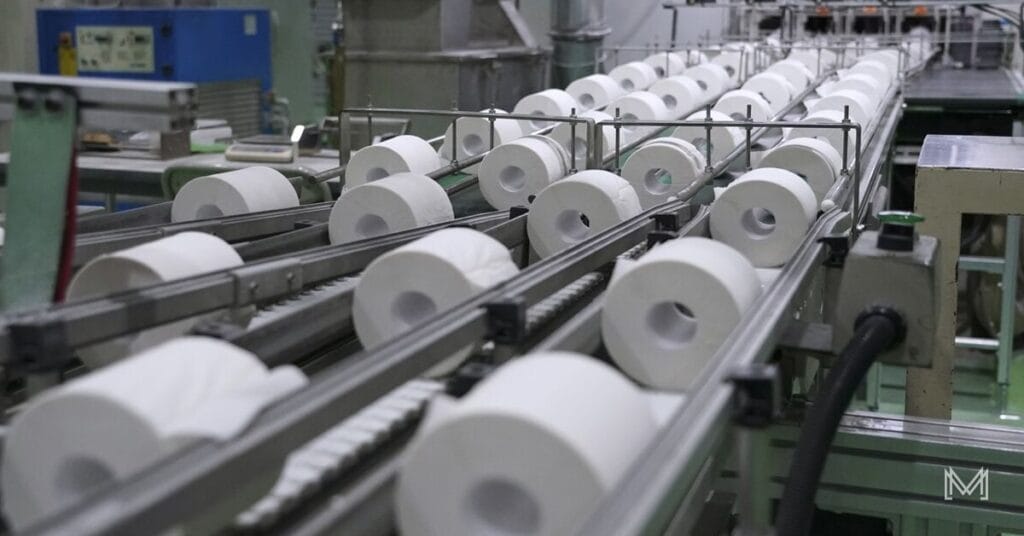
Let’s move past the outdated images of filthy mills. There are a lot of new ideas and changes happening in the toilet paper industry right now. Expectations from customers are higher than ever. They want products that are soft, absorbent, eco-friendly, and even have different smells and feels added to them. This presents a significant challenge for companies that produce goods.
The business is evolving, though, like a strong roll of toilet paper that can handle any problem. Now it’s more than just basic cleanliness; it’s a battleground where brands fight for customer loyalty, with ads focusing on everything from strength and softness to environmental friendliness and community service.
A Deeper Dive into the Numbers: Why Toilet Paper Holds Its Own
It’s not just anecdotal evidence; the market speaks volumes about the staying power of toilet paper. Here’s a quick look at the numbers to prove the point:
| Category | Data |
|---|---|
| Global Market Size | By 2025, it should reach $108 billion. |
| CAGR | The market is growing at a CAGR of 4.2% between 2022 and 2025. |
| Leading Regions | North America and Europe hold significant market shares, with Asia-Pacific projected for rapid growth. |
| Key Factors for Growth | The population is growing, sanitation awareness is rising, and personal hygiene is becoming increasingly important. |
The preference for toilet paper is changing – Toilet Paper Manufacturing
The options available to consumers have become more complex, opening up opportunities for intelligent businesspeople. The growing number of customers who are concerned about the environment has led to an increase in the demand for recycled and sustainable toilet paper. As a result, businesses now have the opportunity to differentiate themselves from competitors by utilizing their sourcing and production techniques.
Entering the Ring: The Cost of Joining the Toilet Paper Game
Starting a toilet paper manufacturing venture is not a light decision; it requires capital and meticulous planning. Here’s a breakdown of the key considerations:
- It is reasonable to anticipate that the first investment will include substantial costs for the machinery, equipment, and building space. It is not uncommon for the price of high-quality toilet paper-making machines to reach seven digits or even more.
- The raw materials, such as pulp, chemicals, and water, contribute significantly to the total cost of manufacturing. As a result of worldwide supply and demand, the prices of raw materials are subject to fluctuations, which might provide a possible obstacle.
- Labor: Skilled labor is essential in order to successfully operate the manufacturing plant. Labor expenditures account for a significant portion of operating expenses.
- Distribution and Marketing: To build a successful brand, it is necessary to develop effective marketing tactics and set up a well-organized distribution network. To achieve this, we incur not only promotional costs but also invest in logistics, storage, and transportation.
Finding Success in a Competitive Landscape – Toilet Paper Manufacturing
There are many established players in the toilet paper market. To emerge as a winner, consider these essential steps:
- Develop a specific market segment. Make yourself stand out from the competition by offering a product, audience, or pricing approach that is one of a kind. As an example, you could focus on high-quality organic cotton toilet paper, environmentally conscious clients, or affordable bulk packs.
- Concentrate on Quality: In order to cultivate customer loyalty, it is essential to provide outstanding quality and consistency. Ensure that all of your manufacturing activities are subject to strong quality control procedures.
- Exploring creative production processes, incorporating cutting-edge technology, and keeping a finger on developments in customer tastes are all important aspects of making the most of innovation.
- First and foremost, sustainability is not only a marketing slogan; rather, it is rapidly becoming an essential component of purchasing decisions. You should make it known that you are committed to environmentally friendly measures, such as obtaining recycled paper and reducing waste in your manufacturing environment.
An Innovation Case Study: Beyond the Basic Roll
Because of ethical concerns, we won’t name any specific companies here. However, the success stories in the toilet paper business can teach us a lot. A number of companies are making their own niches by pushing the limits of how products look and how they work. For instance, consider the following brands as examples:
- Biodegradable toilet paper uses materials that decompose rapidly in landfills, reducing its environmental impact.
- To appeal to pickier customers, luxury toilet paper has nicer feels, smells, and comes in nicer packages.
- Plush toilet paper: Adding features like cleaning agents or technologies that remove wetness from the skin gives the item a specific draw.
Government and industry organisations play a crucial role.
Rules set by the government and trade groups have a big impact on the toilet paper market. It is critical for businesses to adhere to cleanliness rules, environmental protection laws, and labor laws. Groups such as the National Toilet Paper Association advocate for safe and environmentally friendly production and establish quality and safety standards.

Prospective Trends in the Toilet Paper Industry
The toilet paper industry is constantly evolving. Glimpse into the future:
- Personalised Toilet Paper: Technology could lead to toilet paper designed based on individual preferences, even tailored to specific needs such as allergies or skin sensitivities.
- The Rise of Smart Toilet Paper: Imagine a toilet paper roll equipped with sensors to track usage and even alert you when you’re running low!
- Zero-Waste Toilet Paper: Continued advancements in biodegradability could lead to toilet paper that fully decomposes in the environment, leaving behind no trace of waste.
The Bottom Line: Why Toilet Paper Matters More Than Ever
The toilet paper business is important to countries all over the world, even though we use it every day. Many people find employment in factories, transportation centers, and related businesses.
In terms of longevity, it’s also a big deal. Environmental awareness is pushing toilet paper makers to adopt more environmentally friendly methods. This means getting materials in a responsible way, recycling them, and coming up with better ways to make things that are better for the earth.
Toilet Paper Manufacturing: Weighing the Pros and Cons
Here’s a table outlining the advantages and disadvantages of entering the toilet paper manufacturing industry:
| Advantage | Disadvantage |
|---|---|
| High Demand: Toilet paper is an essential product with consistent demand, ensuring a stable market. | High Startup Costs: The initial investment for machinery, equipment, and space can be substantial, requiring significant funding. |
| Sustainable Potential: Manufacturers can contribute to environmental sustainability by utilising recycled paper, energy-efficient processes, and minimising waste. | Competitive Market: Established players dominate the industry, making it difficult for newcomers to gain market share. |
| Flexibility in Product Design: Manufacturers can tailor their offerings to specific customer needs, whether premium, budget-friendly, or focused on specialised features like fragrance or softness. | Raw Material Price Fluctuations: The cost of pulp and other raw materials can vary, impacting production costs and profitability. |
| Job Creation Potential: Toilet paper manufacturing creates jobs at the plant, as well as in supporting logistics, transportation, and retail industries. | Capital Intensive: Continued investments in new machinery, upgrades, and technology are required to remain competitive. |
Embrace the Opportunity: The toilet paper industry may seem unassuming at first glance, but it holds immense potential for entrepreneurial growth. By staying ahead of trends, embracing sustainability, and innovating constantly, entrepreneurs can create a successful business opportunities and leave a positive impact on the industry and the environment.
Toilet Paper Manufacturing: FAQ’s
Does the toilet paper manufacturing business really make money?
Even though there are already established players in the market, there are still chances to grow and make money. The key is to provide a one-of-a-kind product or service, prioritise using top-notch materials and methods, and stress the importance of being environmentally friendly. Entrepreneurs who are good at what they do can find their niche by meeting specific needs and following trends. Do not forget that the toilet paper manufacturing business is always changing. To be successful in the long run, you need to be innovative and flexible.
What makes one type of toilet paper different from the others?
Certain things really help a toilet paper brand stand out. To start, quality is still very important. People want toilet paper that is soft, absorbent, and lasts a long time. Second, ecology is very important, as the need for recycling paper and production methods that are beneficial for the earth grows. Third, being different is extremely important. Brands can set themselves apart by having unique textures, smells, or eco-friendly certifications. Lastly, effective marketing is necessary to make people know your business and stay loyal to it.
In this business, how important is sustainability?
Sustainability isn’t just a trend anymore; it’s becoming a must in the toilet paper business. More and more, customers want items that are beneficial for the earth. For example, by using recycled paper, reducing trash, and putting in place energy-efficient processes, producers can attract customers who care about the environment, gain a competitive edge, and help protect the environment.
How do you make the next big thing with toilet paper?
New technologies and changing customer tastes will open up a lot of intriguing opportunities for the future of making toilet paper. You can anticipate new ideas, such as
- Personalised toilet paper is made to fit the needs of each person, such as toilet paper for people with sensitive skin.
- A roll of smart toilet paper has sensors built in to track usage and alert users when it is running low.
- Toilet paper that doesn’t produce any waste completely breaks down, leaving no waste behind.
Is it a beneficial idea for me to start a toilet paper business?
There are risks involved in starting any business, and making toilet paper is no different. But if you’re really interested in making a good product, committed to using eco-friendly methods, and ready for the difficulties of a competitive market, then it might be a good idea to think about it. Before starting this business, you should do a lot of market research, look at the opportunities for new ideas, and make a good business plan.
The post Toilet Paper Manufacturing Business: Where Hygiene Meets Profit first appeared on Mzansi Magazine.
]]>