The post Understanding the Broiler and Layer: Chicken Farming in South Africa first appeared on Mzansi Magazine.
]]>The South African chicken(Broiler and Layer) business is very busy and makes a big difference in the country’s income and food security. When you see a chicken clucking, you might think of a backyard coop, but farming is actually a very complicated and detailed business, with different methods used for different reasons. Today, we’re going to learn more about the fascinating worlds of grill and layer farming. These are two different farming methods that are crucial for meeting the country’s needs for meat and eggs.
Broilers: The Muscle Builders
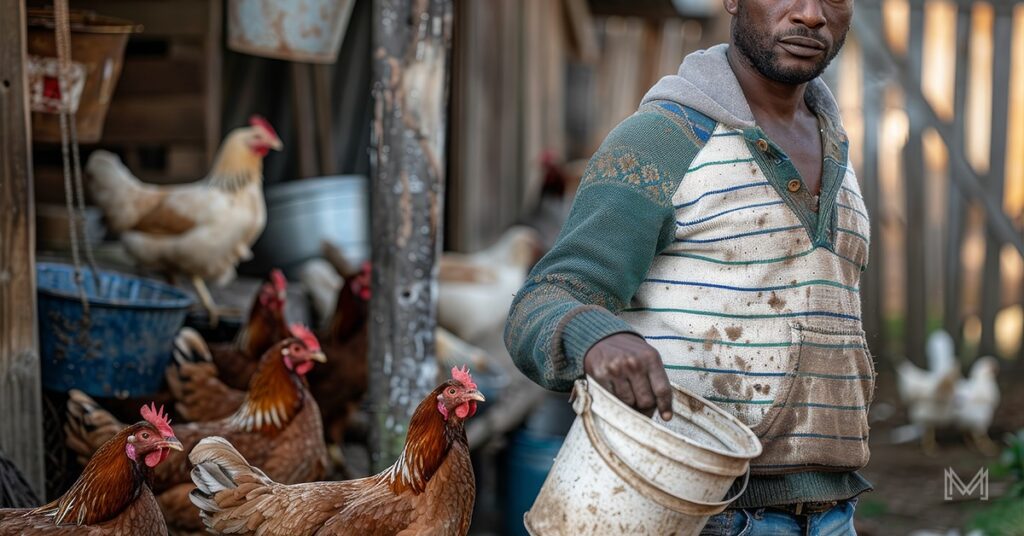
When it comes to producing chicken for the dinner table, broilers so-called because of their quick development and meaty builds are the stars of the chicken farming industry. Breeders specifically developed these birds to gain weight quickly, reaching market weight in an astonishingly short time of 6 to 8 weeks. Their rigorous breeding programmes and well-regulated diets provide South African kitchens with succulent, juicy broilers that develop quickly.
The Broiler Farming Process: A Race Against Time
Broiler farming operates on a fast-paced schedule, prioritising efficient production to meet consumer demand. Here’s a glimpse into the typical broiler farming process:
- Hatching: We carefully select and transport broiler chicks, hatched in specialised incubators, to broiler farms.
- Large, open-floor barns or cages typically house broilers. While cage systems offer greater control over hygiene and disease prevention, open-floor barns allow for more natural movement.
- Diet and Growth: We feed broilers a high-protein diet, specifically formulated to promote rapid muscle growth. We carefully monitor and adjust this feed based on the birds’ age and weight.
- Lighting: The constant light in broiler barns encourages the birds to eat and grow continuously. This 24-hour illumination contributes to their accelerated growth rate.
- Monitoring and Management: Experienced farmers meticulously monitor the birds’ health, growth rates, and feed consumption. This close supervision ensures optimal production and minimises any potential problems.
- Processing: Once broilers reach market weight, they are transported to processing facilities, where they are humanely slaughtered and prepared for retail sale.
The Broiler Market: Feeding the Nation
South Africans rely heavily on the grill sector to provide them with accessible and reasonably priced protein. The market is very competitive, with many competitors ranging from large-scale commercial farms to smaller-scale businesses, driven by the huge demand for grill meat.
A shift in broiler farming: rising consumer awareness
While broiler farming has traditionally focused on efficiency and cost-effectiveness, the increasing awareness of animal welfare and sustainable practices has brought about a significant shift. Consumers’ demand for more ethical and transparent farming methods has led to the emergence of the following:
- Free-Range Broilers: These birds enjoy more space to roam and access to outdoor areas, promoting natural behaviour and reducing stress.
- Organic Broilers: Strict organic farming standards ensure that organic broilers are raised without antibiotics or synthetic pesticides.
- Improved Housing Conditions: To enhance broiler welfare, many farmers are transitioning to cage-free systems or adopting enriched housing designs.
Layers: The Egg-cellent Producers
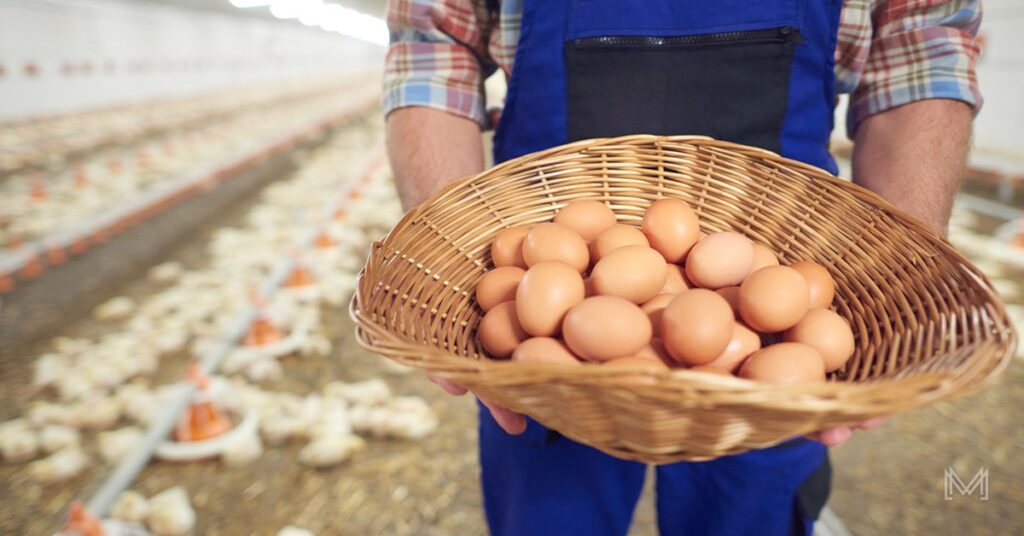
Unlike broilers, layer chickens undergo specific breeding to enhance their egg-laying capabilities. These birds are known for their industrious nature, consistently producing eggs throughout their productive lifespan. Layer farming is a vital part of the South African poultry industry, providing a crucial source of protein and essential nutrients in the form of eggs.
The Layer Farming Process: A Cycle of Production
Layer farming follows a more cyclical approach compared to broiler farming, with a focus on maximising egg production over an extended period. Here’s a breakdown of the process:
- Hatching and Selection: Layer farms hatch and transport layer chicks, carefully selected for their genetic potential for egg production.
- Usually, battery cages or free-range systems house chickens. Battery cages provide controlled environments but have raised concerns about animal welfare. Free-range systems allow for more natural behaviour but require larger spaces and more complex management.
- Diet and Lighting: Layer chickens require a balanced diet rich in calcium to support eggshell production. To stimulate egg-laying, we carefully control the amount of light they receive.
- Egg Collection and Processing: We collect eggs daily, clean them, grade them, and package them for consumer distribution.
- Layered chickens usually produce eggs for up to two years before their productive lifespan ends.
The Layer Market: A Vital Source of Nutrition
Eggs are a highly nutritious food source, rich in protein, vitamins, and minerals. The layer industry plays a vital role in supplying South Africa with this essential food source, contributing to the nation’s overall health and dietary diversity.
The Future of Layer Farming: Embracing Sustainable Practices
Like the broiler industry, layer farming is also evolving to address growing concerns about animal welfare and environmental sustainability. Here are some key trends shaping the future of layer farming:
- Many farmers are transitioning to cage-free systems, allowing hens to move freely and engage in natural behaviours.
- Free-Range and Pasture-Raised Eggs: These practices provide hens with more access to outdoor areas, enhancing their welfare and contributing to a more sustainable approach.
- Organic Layer Farming: This method of raising hens without antibiotics or synthetic pesticides adheres to strict organic standards.
The Broiler and Layer Debate: A Comparison
While both broiler and layer farming are essential components of the South African poultry industry, they differ significantly in their purpose, production methods, and market dynamics. Here’s a comprehensive comparison:
| Feature | Broilers | Layers |
| Purpose | Meat production | Egg production |
| Breeds | Breeders specifically bred them for rapid growth and meat production. | The breed is known for its high egg production and egg quality. |
| Growth Rate | The growth was rapid, reaching market weight in 6–8 weeks. | Slower growth, reaching maturity around 20 weeks |
| Feed Requirements | A high-protein diet for muscle growth | A balanced diet with added calcium for eggshell production |
| Housing | Large, open floor spaces or cages | Alternative housing options, such as battery cages or free-range systems, are available. |
| Lighting | 24-hour light to promote growth | We use controlled light cycles to stimulate egg production. |
| Space Requirements | There is less space per bird due to a shorter raising period. | There should be more space per bird to accommodate natural behaviours. |
| Mortality Rate | Because of the rapid growth, the density is higher. | The number is lower because of slower growth and less crowded conditions. |
| Market Value | Due to meat production, the cost per bird has increased. | Due to egg production, the cost per bird has decreased. |
| Lifespan | Short lifespan, typically 6–8 weeks | Longer lifespan: up to 2 years of egg production |
| Egg Production | Do not produce eggs. | Specifically bred for high egg production |
| Temperament | Typically docile and less active. | More active and can be territorial. |
| Vaccination | To prevent disease, specific vaccinations are required. | They require different vaccinations depending on their egg production cycle. |
Beyond the Fundamentals: Investigating the Environmental and Ethical Aspects
The broiler and layer agricultural industries are not without their share of controversy. The use of antibiotics, animal welfare, and environmental impact have all been the subject of debate and calls for increased transparency and ethical practices.
The importance of humane treatment in animal welfare is paramount.
Many consumers place significant importance on the welfare of poultry raised for meat and eggs. Critics have criticised the use of battery enclosures in layer farming for restricting the natural movements of chickens, leading to stress and health issues. The grill industry is under scrutiny due to its rapid growth strategies, which have the potential to result in musculoskeletal problems and other health issues.
Environmental Consequences: Reducing the Environmental Footprint
Another critical issue is the poultry industry’s environmental impact. Waste management, water consumption, and greenhouse gas emissions are all potential contributors to pollution in large-scale poultry production. The potential impact on public health and the environment is a cause for concern due to the use of synthetic pesticides and antibiotics in conventional agricultural practices.
The Growing Demand for Sustainable Practices
In response to these concerns, there’s a growing movement towards more sustainable and ethical poultry farming practices. This includes:
- Cage-Free and Free-Range Systems: These systems provide hens with more space to move and engage in natural behaviors, improving their welfare and reducing stress.
- Organic Farming: Organic poultry farming eliminates the use of antibiotics, synthetic pesticides, and genetically modified organisms, promoting a healthier environment and safer food production.
- Improved Waste Management: Implementing efficient waste management systems reduces pollution and minimises the environmental impact of poultry farming.
The Future of Poultry Farming in South Africa: A Journey Towards Sustainability
The poultry industry in South Africa is facing a critical juncture. The demand for affordable and accessible protein is high, but it’s increasingly important to balance production with ethical and sustainable practices. As consumer awareness grows and demands for humane treatment and environmental responsibility increase, the industry must adapt and innovate to meet these expectations.
This highlights the importance of transparency and consumer choice.
Going forward, in South Africa, consumer choice and more openness will define poultry farming. The sector can establish confidence and help to create a more sustainable future for the poultry sector and the country overall by offering clear information about farming methods, branding goods with ethical and sustainable certifications, and enabling customers to make wise decisions.
The Road Ahead: Embracing Change and Innovation
In South Africa, broiler and layer farming is still a voyage of discovery. This road calls for a dedication to creativity, teamwork, and a common goal for a responsible and profitable chicken sector. The sector can continue to help the country’s food security and prosperity by welcoming change, prioritising animal welfare, and reducing environmental effects, resulting in a better future for customers as well as for hens.
A Final Word: Supporting Sustainable Poultry Farming
We, as customers, have the ability to help define the direction of the poultry industry. Choosing goods that are ethically sourced, sustainably made, and verified by credible companies helps us assist farmers dedicated to better standards of animal care and environmental responsibility. Working together, we can guarantee that both customers and hens thrive in a sustainable and ethical environment through a poultry sector that is both compassionate and profitable.

Frequently Asked Questions – Broiler and Layer Farming
Is grill chicken really “meat chicken”?
Indeed, the sole purpose of raising grill chickens is to produce meat. Genetic engineering has enabled them to develop quickly and convert feed efficiently, positioning them as the world’s primary source of chicken meat. People sometimes refer to them as “meat chickens” due to their lack of egg production, unlike layer hens.
Why are broilers grown at such high densities?
Farmers rear broilers at high densities, often with several birds per square foot, to optimise space utilisation and reduce expenses. This intensive housing arrangement enables farmers to rear a large number of birds in a small area, reducing the cost of producing chicken meat. However, this approach has prompted concerns regarding animal welfare because of the risk of overpopulation, stress, and disease transfer.
Is it accurate to say that layer hens reside in cages?
Despite the widespread use of conventional battery cages for layer hens, there is a growing trend towards cage-free and free-range systems. Cage-free systems provide more space for hens to wander about, but free-range systems allow them to go outside and participate in natural behaviors. Critics have criticised the use of cages for restricting mobility and natural behaviour, leading to a shift towards cage-free and free-range solutions due to consumer demand for more ethical and humane egg production.
Grilled and layer hens eat different diets?
Yes, grill and layer chickens have distinct nutritional requirements. Broilers need a high-protein diet to maintain rapid growth and muscular development. This diet is usually high in amino acids, vitamins, and minerals, which promotes effective feed conversion. Layer hens, on the other hand, need a well-balanced diet that provides enough protein for egg production and extra calcium for healthy eggshells.
Is it possible to grow broiler and layer on the same farm?
On the same farm, you can grow both broiler and layer. However, careful planning and administration are required to meet the demands of each species of chicken. Broilers and layers need distinct housing conditions, feeding schedules, and illness prevention methods. Separating them is necessary to avoid disease transmission and guarantee the health of each flock.
From Hatch to Harvest: The Lifespan Journey of Broiler and Layer
The post Understanding the Broiler and Layer: Chicken Farming in South Africa first appeared on Mzansi Magazine.
]]>