The post How to Start a T-shirt Business in South Africa first appeared on Mzansi Magazine.
]]>The entrepreneurial spirit is the heartbeat of our nation. Everywhere you look, people are finding creative ways to put food on the table and build legacies for their families. One of the most accessible and exciting paths today is the decision to start a T-shirt business. This industry enables you to blend art, culture, and commerce into a wearable product that speaks to the people. Whether you want to celebrate local slang or create high-end corporate wear, the opportunities are vast.
The hustle is real, but the rewards of seeing someone walk down the street wearing your creation are absolutely priceless.
Choosing to start a T-shirt business means entering a market that thrives on identity. South Africans love to express who they are through their clothes. Nonetheless, many beginners feel overwhelmed by the technical side or the costs involved. In this guide, we will break down the “What, Why, How, Who, When, and Where” of this journey. We will explore everything from finding the right T-shirt printing machine to picking the perfect T-shirt branding ideas.
What Exactly Is the T-shirt Printing Hustle?
At its core, this business involves taking a blank garment. You then apply a custom design using various heat or ink techniques. You are essentially selling a message or a feeling, not just a piece of fabric. When you start a T-shirt business, you become a designer, a marketer, and a manufacturer all at once. You wonder, what do I need to start a T-shirt printing business at home? The answer starts with a clear vision and a small corner of your house dedicated to production.

Many successful local brands began in a garage or a spare bedroom. Specifically, you need a reliable printer machine for shirts and a steady supply of quality blanks. Moreover, you need to decide if you will focus on “print-on-demand” or hold your own stock. Both paths are valid, but they require different levels of investment. Your choice will be influenced by your current budget. It will also depend on how much risk you are willing to take initially.
Why You Should Start a T-shirt Business Right Now
The “Why” is simple: demand and low barriers to entry. Even in a tough economy, people buy clothes, especially items that make them feel connected to their community. When you start a T-shirt business, you tap into a “lifestyle” market. Furthermore, the rise of local e-commerce has made it easier to reach customers across the country. You can do this without needing a physical shopfront.
Technology has also become much more affordable for the average person. Before, you needed massive industrial setups to get professional results. Today, a T-shirt printing machine for small businesses can fit on a standard desk. This shift means that the “who” can be anyone. It is a student looking for extra cash. It even be a retiree wanting to stay busy. If you have a creative spark and grit, the time to start is always now.
How to Plan Your Brand Journey
Before you buy a single print T-shirt machine, you must have a plan. Success in this field isn’t just about having a cool design; it’s about branding. You need a name that sticks and a logo that looks good even when it’s small. When you start a T-shirt business, your brand identity is your most valuable asset. Hence, take the time to register your business with the CIPC to guarantee you are operating legally from day one.

Next, you must find your niche. Are you making funny shirts for Sunday braais? Or are you looking for ideas for shirt designs that cater to corporate team-building events? Focusing on a specific group makes your marketing much more effective. Additionally, research your competitors. See what they are charging and what fabric they use. This knowledge lets you position your brand as either a budget-friendly choice or a premium “boutique” label.
Finding the Right T-shirt Printing Machine for Small Businesses
The technical side is where most people get stuck. You will see many options online, and it can be confusing. You search for a t-shirt printing machine at Makro. Another choice is to check the t-shirt printing machine price at Game. These retail giants often carry “combo” heat presses that are perfect for beginners. These machines usually handle T-shirts, caps, and even plates, giving you more variety in your product line.
Alternatively, many entrepreneurs look for a T-shirt printing machine on Takealot because of the convenient delivery and customer reviews. If you are looking to expand your range, explore mug and t-shirt printing machines in South Africa. This can let you offer gift sets. Having a versatile T-shirt printing machine enables you to pivot your business based on what is selling best. It is always wise to compare prices across different stores before swiping your card.
Key Equipment Costs and Where to Buy
Budgeting is the “when” and “where” of your financial strategy. You need to know when you can afford to upgrade and where to get the best deals. Below is a comparison of common equipment options available in the local market. This will help you start a T-shirt business with confidence.
| Equipment Type | Potential Source | Estimated Price Range | Best For |
| Basic Heat Press | t-shirt printing machine makro | R3,500 – R5,500 | Beginners / Home use |
| 5-in-1 Combo Machine | t shirt printing machine price at game | R4,500 – R7,000 | Multi-product startups |
| Vinyl Cutter | t shirt printing machine takealot | R2,500 – R4,000 | Lettering and simple logos |
| DTF Printer | Specialised Suppliers | R15,000 – R40,000 | High-volume / Detailed art |
| Sublimation Printer | printer machine for shirts | R3,000 – R6,000 | Light colors and polyester |
The price of mug and t-shirt printing machines in South Africa varies. It depends on the brand and the warranty offered. Always make sure that the printed T-shirt machine you choose comes with some form of technical support. This is crucial. You don’t want to be stuck with a broken printing machine for shirts right when a big order comes in.
Creative Design and T-shirt Branding Ideas
Your designs are the soul of your business. You don’t need to be a professional artist to have great T-shirt design ideas. Sometimes, a simple phrase in local lingo is more powerful than a complex graphic. When you start a T-shirt business, you should constantly look for inspiration in everyday life. For example, look at what’s trending on social media or what people are talking about at the taxi rank.
Using a printing T-shirt machine effectively requires high-quality digital files. If your art is blurry, the final product will look “cheap”. Thus, invest time in learning basic design software or hire a local freelancer to polish your concepts. Remember, t-shirt branding ideas should include more than just the front of the shirt. Think about adding a small logo on the sleeve or a custom neck label. These small touches make your brand feel professional and high-end.
Choosing Your Printing Method
There are several ways to get your design onto the fabric. The most common for home businesses are heat transfer vinyl (HTV) or sublimation. If you have a shirt print machine, you will use heat. Heat is used to “cure” the ink or bond the vinyl to the cotton. For those who want to produce hundreds of shirts, screen printing is the gold standard. Yet, screen printing requires more space and a higher starting setup cost.
Our culture is so diverse, there are thousands of untapped niches waiting for a clever entrepreneur to fill them.
Another rising trend is direct-to-film (DTF) printing. This method uses a specific printing machine for T-shirts. It prints onto a film. The film is then pressed onto the garment. It works on almost any fabric and produces very vibrant colours. While the shirt printing machine for DTF is more expensive, the quality is hard to beat. Specifically, if you want to start a T-shirt business, DTF is the way to go. It focuses on complex, multi-coloured artwork.
Where to Sell: Online and Offline Channels
Once you have your printing machine for clothes humming, you need customers. The “Where” has changed significantly over the last few years. You no longer need a shop in a mall. Instead, you can use social media to showcase your work. Instagram and TikTok are perfect for showing “behind-the-scenes” clips of your print machine for clothes in action. People love seeing the process of how their clothes are made.
Furthermore, consider local marketplaces. Selling on Takealot or Hello Pretty can give you instant access to thousands of shoppers. On the other hand, don’t ignore physical markets. Setting up a stall at a weekend market lets you talk to people. You get direct feedback on your T-shirt design ideas. This face-to-face interaction is priceless for a new brand. It helps you understand what sizes and colours are actually in demand.
Marketing Your Hustle on a Budget
You have the best printing machine for clothes, but if nobody knows you exist, you won’t make sales. Marketing doesn’t have to be expensive. Start by giving shirts to local influencers or “cool kids” in your neighbourhood. When they wear your brand, it builds trust. Additionally, use WhatsApp Business to stay in touch with your customers. Sending a quick update about a new “drop” can lead to immediate orders.
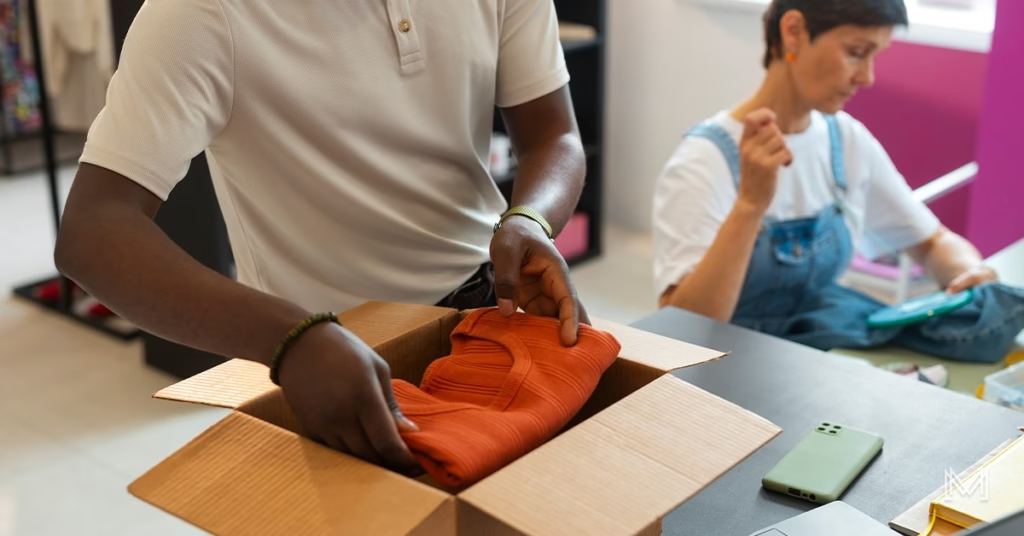
Consistency is the secret ingredient when you start a T-shirt business. You must post regularly and keep your brand visible. Use high-quality photos of people wearing your shirts in real-life settings. This makes the brand feel relatable. Moreover, offer excellent customer service. If a print peels or a size is wrong, fix it quickly. A happy customer will tell their friends, and word-of-mouth is still the strongest marketing tool in South Africa.
Start a T-shirt Business: When to Buy Better Equipment
As your orders grow, your original printing machines for clothes can struggle to keep up. This is a good problem to have! It means it is time to reinvest your profits. When you reach this stage, you look for a more industrial T-shirt printing machine. These machines can handle dozens of shirts per hour. Scaling up requires careful timing. Don’t buy a massive machine until your monthly sales consistently justify the cost.
Always keep an eye on new technology. The industry moves fast. A newer print T-shirt machine can save you money on ink or electricity in the long run. Additionally, consider expanding your product line. Since you already have the skills, you use a printing machine for shirts. This allows you to offer hoodies, tote bags, or even custom workwear for local small businesses. This diversification protects your income if T-shirt sales slow down during certain seasons.
Conclusion: Your Journey to Success Start a T-shirt Business
Deciding to start a T-shirt business is a bold and rewarding move. It is a path that offers both creative freedom and financial independence. Throughout this guide, we have seen that the right T-shirt printing machine can transform a simple idea. It can even turn it into a brand. A simple idea can become a brand. It can even become a thriving brand. A solid plan is also essential. Checking the Makro aisles for T-shirt printing machines is a learning experience. Mastering your first print T-shirt machine is also part of the journey.

Remember that every big South African brand started exactly where you are now. They started with one shirt, one design, and a lot of passion. As you embark on this journey to start a T-shirt business, stay focused on your “why.” Keep listening to your customers. Mzansi is waiting for your unique voice to be printed on the next big streetwear trend. The equipment is ready, the market is open, and the only thing missing is your first design.
FAQs – How to Start a T-shirt Business
How do I legally register my new T-shirt business in South Africa?
You should register your company through the CIPC to open a business bank account and build trust with your customers.
Where can I find affordable T-shirt printing machines for a small business?
You can find competitive prices for printing equipment at major retailers like Takealot or Makro or specialised textile suppliers.
What is the best fabric weight to use for high-quality local apparel?
For a premium feel that lasts, source blank cotton shirts. They should have a weight between 160 GSM and 180 GSM.
Which printing method is best for a home-based startup?
Starting with a heat press machine is the most versatile and cost-effective choice for beginners working from home.
How can I reliably ship my T-shirts to customers across the country?
Using local courier services like Pudo or The Courier Guy provides an affordable way to deliver your products nationwide.
The post How to Start a T-shirt Business in South Africa first appeared on Mzansi Magazine.
]]>The post 15 Simple and Profitable Businesses You Can Start with R50k first appeared on Mzansi Magazine.
]]>The entrepreneurial spirit is truly alive and kicking in South Africa right now. Everywhere you look, people are finding ways to make it happen. From the bustling streets of Sandton to the vibrant corners of Khayelitsha, innovation is thriving. Yet, for many of us, the hurdle of starting a venture can feel like climbing Table Mountain in flip-flops. You might worry about the fear of failure or the lack of massive capital. Have you heard that you can actually start a successful hustle with just R50,000 in your pocket? This guide explores simple and profitable businesses that can turn that “fifty-k” into a sustainable income.
The South African business landscape in 2026 is dynamic, with exciting opportunities emerging in niche markets. Because technology has become so accessible, the key to success lies in identifying unmet needs. By leveraging digital platforms, you can reach your target audience without needing a massive shopfront in a mall. Let’s dive into how you can capitalise on these trends with our list of 15 Simple and Profitable Businesses.

1. Launching an e-commerce store for niche products
The online retail landscape in Mzansi has exploded over the last year. Gone are the days when people only trusted big-name retailers. Today, local shoppers are looking for unique items they can’t find at a standard Pick n Pay or Checkers. With R50,000, you can easily create an e-commerce store for niche products that speaks directly to a specific community.
To get started, you should focus on a product like “loadshedding-proof home decor” or “locally made organic baby clothes”. Firstly, conduct your market research using tools like Google Trends or local Facebook groups. Secondly, source your products from local artisans to keep costs down and support the “Local is Lekker” movement. Furthermore, you can use user-friendly platforms like Shopify or WooCommerce to build your site. Therefore, your biggest investment will be in digital marketing to drive traffic to your store.
2. Starting a Mobile Food Business
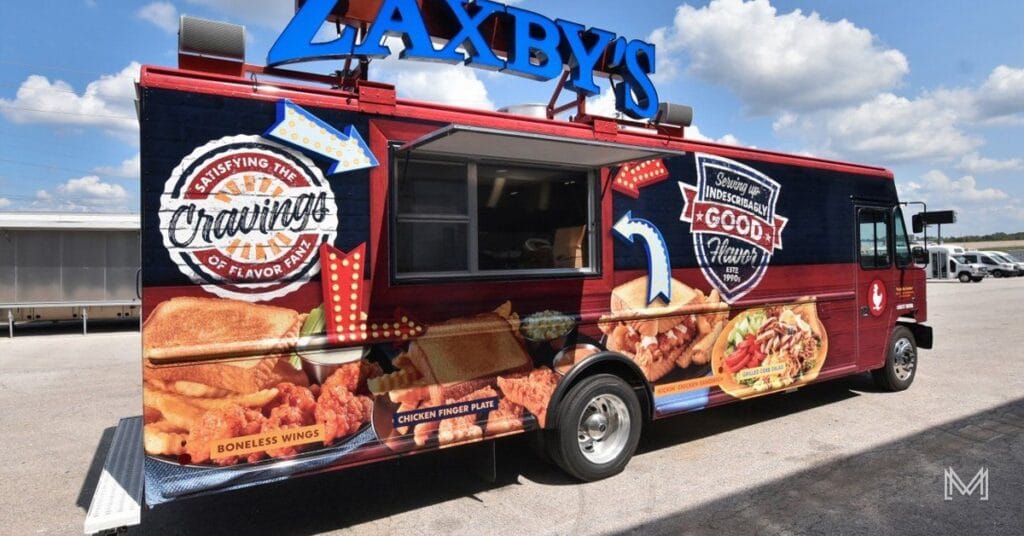
Food is the universal language of South Africa. Whether it’s a gourmet kota, artisanal tacos, or vegan boerewors rolls, a mobile food business offers incredible flexibility. You don’t have to pay R30,000 a month in rent for a static shop. Instead, you can invest in a high-quality trailer or a modified “tuk-tuk”.
Furthermore, this model lets you follow the crowds. You can be at a sports event in Pretoria on Saturday and a food market in Soweto on Sunday. Your R50,000 budget will cover a second-hand trailer, basic gas equipment, and your initial licensing fees. Yet, make sure you apply for your Certificate of Acceptability from the local municipality early on. These simple and profitable businesses in the food sector thrive on word-of-mouth and a “lekker” social media presence.

3. Brewing Success with a Boutique Coffee Shop
South Africans have developed a serious taste for premium beans. A boutique coffee shop doesn’t need to be a massive 50-seater cafe to be successful. In 2026, the trend is moving toward “micro-cafes” or kiosk setups in office parks and transport hubs.
With R50,000, you can lease a small 10-square-meter space and buy a reliable, refurbished Italian espresso machine. Since quality is everything, you should partner with a local roastery to supply a unique blend. Additionally, offering a “loyalty card” system keeps the morning commuters coming back. Focus on exceptional service. Create a cosy vibe. This approach lets you create one of the most consistent, simple and profitable businesses in your neighbourhood.

4. Personalised gifts and crafts
In a world of mass-produced plastic, people are willing to pay a premium for something that feels personal. Starting a business in personalised gifts and crafts is perfect for someone with a creative eye. You focus on laser-engraved wooden boards, custom-printed sneakers, or handmade leather journals.
Actually, the equipment you need, like a vinyl cutter or a small laser engraver, fits well within an R50,000 budget. You can set up a workspace at home, which eliminates rent costs entirely. Moreover, platforms like Instagram and TikTok are your best friends here. By showing the “behind-the-scenes” process of making a gift, you build a connection with your customers. These types of simple and profitable businesses often peak during Valentine’s Day, Mother’s Day, and the festive season.

5. Profiting from online coaching or consulting
Do you have a skill that others would pay to learn? Perhaps you are a wizard at bookkeeping, a fitness guru, or a marketing pro. You can leverage that skill by offering online coaching or consulting. This is the lowest-risk entry on our list of simple and profitable businesses.
Initially, your biggest expense will be your own personal branding. Invest in a high-quality webcam, a good microphone, and a professional-looking website. Furthermore, you should create a “lead magnet”, like a free PDF guide, to capture email addresses. Because you are selling your time and knowledge, the profit margins are incredibly high. The demand for digital education is growing. You are helping small businesses with their taxes. Alternatively, you could be coaching students on how to code.

6. Grooming and boarding services for pets
South Africans love their fur babies. In fact, many people spend more on their pets than they do on themselves! This makes grooming and boarding services for pets a very lucrative niche. With R50,000, you can set up a mobile grooming van. Alternatively, you can renovate a section of your home into a safe, boutique pet hotel.
Every cent counts when you are working with an R50,000 startup budget.
Parents are often protective of their animals, so your reputation is your currency. Hence, you should invest in some professional training or certification to show you know your stuff. Additionally, offering a “pickup and drop-off” service can set you apart from the brick-and-mortar parlours. By using a simple WhatsApp booking system, you can manage your schedule efficiently. These simple and profitable businesses give a steady stream of recurring income, as pets always need a trim.

7. Opening a Fitness and Wellness Studio
Health is wealth, and Mzansi is catching on. But, not everyone wants to go to a crowded, intimidating gym. This has created a massive gap for a specialised fitness and wellness studio. You offer small-group yoga classes, Pilates, or high-intensity interval training (HIIT).
Your R50,000 can go toward leasing a modest studio space. You can also buy essential equipment like mats, resistance bands, and some weights. Alternatively, you can start as a “park-based” trainer to save on rent and use the capital for high-end marketing. Furthermore, focusing on a specific niche, like “fitness for seniors” or “postnatal yoga”, enables you to charge premium rates. These simple and profitable businesses foster a sense of community that keeps clients motivated and loyal.

8. Running a Digital Marketing Agency
Small businesses across South Africa are struggling to keep up with the fast-moving digital world. They need help with Facebook ads, SEO, and content creation. If you are tech-savvy, starting a digital marketing agency is a fantastic way to build a scalable company.
Since you only need a high-performance laptop and a fast internet connection, your startup costs are minimal. You can use the rest of your R50,000 for specialised software subscriptions and your own advertising to find clients. Moreover, you should focus on delivering “ROI” (Return on Investment) for your clients. When a business sees that your ads are actually bringing in more sales, they will happily pay your monthly retainer. This is one of the most scalable, simple and profitable businesses in the modern economy.

9. Event Planning and Management
Are you the person who always organises the family braais and birthday bashes? If so, you have a future in event planning and management. South Africans love to celebrate, and there is a constant demand for wedding planners, corporate event coordinators, and party stylists.
Success in this field depends on your network. You should spend your R50,000 on building a professional portfolio. Create a website as well. You also invest in a small inventory of high-end decor items like table runners or specialised lighting. Furthermore, you need to build relationships with reliable caterers, photographers, and DJs. Hence, your role is to be the “calm in the storm” for your clients. By handling the stress of the logistics, you create a service that people find indispensable.

10. Tour and Travel Services
South Africa is one of the most beautiful places on earth, and local tourism is booming. You don’t need a fleet of buses to start a tour and travel services business. Instead, you can focus on “niche experiences.” Consider offering street art tours in Joburg. You also offer wine tasting in the Hemel-en-Aarde Valley. Another choice is to give hiking tours in the Drakensberg.
You can use your R50,000 for a professional website, marketing to international tourists, and securing the necessary permits and insurance. Furthermore, partnering with local guest houses can give you a steady stream of referrals. Because tourists are looking for “authentic” experiences, your local knowledge is your biggest asset. These simple and profitable businesses let you share your passion for Mzansi. You can earn a great living in foreign currency or local rand.

11. Starting an Online Reselling Business
Flipping items for a profit is an age-old business model that has found a new home online. You can start an online reselling business. Source undervalued items from thrift stores, auctions, or liquidations. Sell them on platforms like Yaga, Facebook Marketplace, or eBay.
Initially, you focus on vintage clothing, tech gadgets, or even designer sneakers. Your R50,000 budget allows you to buy a significant amount of “seed stock”. Moreover, you should invest in a good ring light and a clean backdrop to make your product photos look professional. You can manage everything from your smartphone. This makes it a perfect side hustle. It can grow into a full-time career. As you learn what sells, you can refine your sourcing strategy to maximise your margins.

12. Launching a Mobile Beauty Salon
Why wait for clients to come to you when you can go to them? A mobile beauty salon is a brilliant solution for busy professionals and brides-to-be. You can offer services like manicures, pedicures, massages, or professional makeup application in the comfort of the client’s home.
The most successful entrepreneurs are the ones who listen to the market.
With R50,000, you can purchase high-end portable equipment, a professional massage bed, and a full kit of premium products. Furthermore, your marketing should target local “mommy groups” and bridal forums. Since your overheads are low (no shop rent!), you can offer competitive pricing while still making a high profit. These businesses are simple and profitable. They thrive on the personal touch. They also offer convenience to the modern South African woman.

13. A store for eco-friendly products
The “green revolution” has finally arrived in South Africa. More and more people are looking for ways to reduce their plastic waste and live more sustainably. Opening a store for eco-friendly products is a great way to align your values with your income. You can do this online or as a small pop-up.
You stock items like bamboo toothbrushes, beeswax wraps, natural cleaning products, and “zero-waste” beauty bars. Your R50,000 can cover your first inventory and some beautiful, sustainable packaging. Additionally, you should use your platform to educate your customers on why these products matter. By building a brand that stands for something, you attract a very loyal customer base. These simple and profitable businesses are not just about money; they are about making a positive impact on the world.

14. Language School or Tutoring Services
Education is always a priority for South African families. Helping a matric student with maths or teaching English to foreign businessmen are valuable services. A language school or tutoring services business is always in demand. You can start by offering one-on-one sessions and eventually grow into a small learning centre.
Furthermore, the “online” aspect of tutoring enables you to reach students all over the country, or even the world. You should use your R50,000 for professional teaching materials. Invest in a robust online booking system. Focus on targeted advertising on Google or Facebook. If you have a passion for sharing knowledge, this work is highly rewarding. It’s one of the best ways to spend your working hours. The results are so tangible. For instance, a student passes their exams. Thus, referrals will likely become your primary source of new business.

15. Virtual Assistant Services
In 2026, the “remote work” trend is the new normal. Many entrepreneurs and small businesses are overwhelmed with admin tasks like email management, scheduling, and data entry. You can fill this gap by offering virtual assistant services from your home office.
Since you only need a laptop and a steady connection, your startup costs are practically zero. You can use your R50,000 to take advanced courses in specialised software. Consider learning platforms like HubSpot or Salesforce. These skills can increase your hourly rate. Moreover, you should join global platforms like Upwork or Fiverr to find international clients who pay in dollars or euros. This is one of those simple and profitable businesses that offers total freedom over your time and location. As you get more clients, you can even hire other VAs and start your own agency.
How to Make It Stick: A Blueprint for Success
Starting a business is one thing, but making it last is another. As you start your journey with one of these simple businesses, keep some “golden rules” in mind. These businesses can also be profitable. Firstly, watch your cash flow like a hawk. Every cent counts when you are working with an R50,000 startup budget. Secondly, prioritise customer service above everything else. In South Africa, a bad reputation spreads faster than a wildfire in the fynbos.

Furthermore, don’t be afraid to pivot. If your coffee shop isn’t working but people keep asking for your homemade muffins, then become a muffin specialist! The most successful entrepreneurs are the ones who listen to the market. As a result, staying adaptable and curious will keep you ahead of the competition.
Conclusion: Your Time Is Now
The dream of being your own boss is within reach. You open a boutique coffee shop. Alternatively, you might start a digital marketing agency. The opportunities in Mzansi are endless. With a bit of “hustle”, a solid plan, and R50,000, you can build something that changes your life.
Remember, every giant corporation started as a small idea in someone’s head. Don’t wait for the “perfect” moment because it never arrives. Instead, pick one of these simple and profitable businesses, take that first step, and start building your legacy today. Africa is open for business, and the world is waiting to see what you can create.
Frequently Asked Questions | 15 Simple and Profitable Businesses
Is R50,000 enough capital to start any of these businesses?
Yes, the article focuses on 15 business ideas specifically designed to be launched successfully within a R50,000 budget.
Which business idea has the lowest risk for a first-time entrepreneur?
Offering online coaching or consulting is highlighted as the lowest-risk entry because startup costs are minimal, mainly involving personal branding.
What is the main challenge mentioned for new businesses in South Africa?
The primary challenge mentioned is watching your cash flow carefully, as every cent counts when working with a limited R50,000 startup fund.
Do these businesses require a physical shop front in a mall?
No, many of these profitable ventures, like e-commerce or virtual assistant services, can be run from home to eliminate expensive rental costs.
What is the key to making a new South African business sustainable?
Prioritising exceptional customer service and staying adaptable by listening to market feedback are key to making any small venture last.
Would you like me to help you draft a specific 12-month business plan? Or would you prefer assistance with a marketing strategy for one of these 15 business ideas?
The post 15 Simple and Profitable Businesses You Can Start with R50k first appeared on Mzansi Magazine.
]]>The post From Zero to Hero: 3 Tips to Start a Business with No Money in South Africa first appeared on Mzansi Magazine.
]]>Many people across South Africa look at the high unemployment rates. They think the only way out is to get a job. Nonetheless, more young people are realising that they can create their own destiny. The biggest wall people hit is usually capital. You are sitting there thinking, “I want to start a business or Start a Business with No Money.” But you have zero rand in your bank account. This is a common struggle from Soweto to Sandton.
You can actually start a business with no money. The key is to change your perspective on what “capital” means. Capital isn’t just notes and coins; it is your time, your skills, and your local network. Therefore, this article will break down the barriers. It will show that your dream is valid. You don’t need a loan from a big bank. We will explore how to navigate the South African landscape using “guerrilla” tactics to build something from nothing.
The South African Context: Why You Don’t Need a Fortune
In our country, we are famous for making a plan. South Africans are resourceful. Whether they are fixing a car with wire, they find a way. They also find a way when starting a car wash with a single bucket. If you are asking, “How do I start a business without money?” you need to look at the informal sector. Millions of rand circulate in the “kasi” economy every day. Most of these businesses started with nothing but a good idea and a lot of sweat.
Actually, starting small is the best way to learn. When you have no money to lose, you are forced to be smart. You learn how to talk to customers and how to manage every cent. Hence, having no capital is actually a hidden blessing because it teaches you the fundamentals of survival.
Tip 1: Start a Business with No Money by Selling Your Skills
The fastest way to generate cash without spending any is to sell what you already know how to do. This is often called “sweat equity”. If you are wondering, “I want to start a business but have no ideas,” begin by examining your own hands. Can you braid hair? Can you fix computers? Are you good at mathematics?
Turning Talents into Tenders
Instead of looking for small business ideas that need a shopfront, look for service-based ideas. For example, if you are a wizard with words, you can offer copywriting services. Local shops need help with their Facebook pages. This is exactly how to start a business with no money online. You only need an internet connection and a brain.

Many people ask, “How can I start a business without money?” The answer is usually right in front of you. If you have a lawnmower in the garage, you have a garden service. If you have a stove, you have a catering business. You are not buying a business; you are creating value using the tools you already own.
Focus on Problem Solving
Every neighbourhood in South Africa has problems. The local crèche need a reliable person to fetch the kids. Alternatively, the elderly in your street need someone to do their grocery shopping. When you solve a problem, people pay you. This is the simplest way to start a business with no money. You don’t need a fancy office to be a problem solver.
Tip 2: How to Start a Business with No Money Through Bartering and Community
In South Africa, we have a long history of community support through systems like Stokvels. A stokvel is about saving money. But, you can use the principle of “community capital” to get your business off the ground. This answers the burning question of “How do I start a business without money?” by using people instead of cash.
The Power of the Barter System
Bartering is when you trade your services for something you need. For instance, if you need a logo for your new company, but you can’t afford a designer, you can offer to clean their office. Alternatively, you could do their taxes in exchange. This is a brilliant way to start a company without money. You are essentially trading your time for the “start-up costs” that usually stop people in their tracks.

Furthermore, networking in your local community can open doors that money can’t. Talk to the “mamas” and “papas” who run the local spaza shops. They have years of wisdom and will let you show your products or services in their window for free. Collaboration is the secret sauce for any startup company funding journey that begins at zero.
Leveraging Social Capital
Social capital is the trust people have in you. If people know you are hard-working and honest, they will recommend you. Word of mouth is the most powerful marketing tool in Mzansi. Because of this, you can grow a massive client base without spending a single cent on flyers or radio ads. This is essentially how to start a business with no money by letting your reputation do the heavy lifting.
Tip 3: Start a Business with No Money Using Digital “Guerrilla” Marketing
We live in a digital age where almost everyone in South Africa has a smartphone and WhatsApp. If you want to know how to start a business online, focus on mastering the free tools at your fingertips. You don’t need a website that costs R10,000 when you have a WhatsApp Status that reaches 200 local people daily.
The WhatsApp and Facebook Strategy
Facebook groups are gold mines for starting business ideas. Join groups for your local suburb or township. When people ask for recommendations, be the first to respond. But, don’t just spam people; give real advice. This builds authority. If you want to start a business online without money, start by building a community on these platforms.

WhatsApp Business is a free tool that lets you create a catalogue of your services. It is professional and costs nothing. This is a key part of how to start a business online with no money. You can send your catalogue to potential clients with one click. It is efficient, local, and completely free.
Content is king, but consistency is queen.
You can also look at how to start a business with no money online by becoming a content creator. If you know a lot about a specific topic, like cars or fashion, start a TikTok or a YouTube channel. While it takes time to monetise, it is a way to start a business with no money upfront. Your only investment is your data and your creativity.
Navigating Small Business Funding in SA
While the goal is to start a business with no money, eventually you might need a boost to scale up. Many entrepreneurs get frustrated looking for small business funding. They often think there is free government money available. Business owners can’t simply pick it up, as it requires a lot of paperwork.
Government Grants and Agencies
In South Africa, we have several agencies designed to help. The National Youth Development Agency (NYDA) provides startup business funding in South Africa specifically for young people. They offer a business start grant that doesn’t need to be paid back if you meet their criteria. Additionally, the Small Enterprise Development Agency (SEDA) provides non-financial support, like help with your business plan.
You must make sure your business is registered with the CIPC. This is crucial if you are looking for small business funding in South Africa from the government. Even though you started with no money, becoming a legal entity is the first step to getting startup business grants. These organisations want to see that you have already started and that you are serious about your “hustle.”
Private Sector and Competitions
Don’t just look at the government. Many big banks and corporations run “pitching” competitions. These are great sources of startup company funding. Even if you don’t win, the exposure and feedback are worth more than the prize money. It is a way to get starting business grants from the private sector by showing off your innovation.
Your Action Plan to Start a Business with No Money
Now that we have covered the theory, let’s look at a practical checklist. If you are still saying, “I want”hustle”. to start a business,” follow these steps:
- Identify your “Zero-Cost” Skill: What can you do today that someone will pay for?
- Validate the Idea: Ask 10 people in your community if they would buy your service.
- Create a Digital Presence: Set up a WhatsApp Business account and a Facebook page.
- Barter for Needs: Trade your skill for things like a logo, a uniform, or transport.
- Reinvest Every Cent: When you make your first R100, don’t buy KFC. Buy more supplies.
- Apply for Support: Once you have a track record, look for a business start-up grant to grow.
You start by pursuing this path. You transform from someone asking “how to start a company with no money” to a real business owner. It requires discipline. You will have to work harder than those who have a million rand in the bank. Your time is your only currency.
Frequently Asked Questions for Mzansi Entrepreneurs
How can I start a business without money if I need equipment?
You can rent equipment daily using the money from your first deposit. Alternatively, borrow from a neighbour in exchange for a share of the profit. This is a classic way to start a business with no money.
Are there specific small business ideas for South Africa?
Yes! Think about recycling, mobile car detailing, tutoring, baking, or even becoming a personal shopper for people who work long hours. These are all high-demand small business ideas.
How do I start my own IT business with no money?
If you have a laptop and internet, you can offer remote tech support or website maintenance. This is the ultimate guide on how to start your own IT business with no money. You can find clients globally on platforms like Upwork while sitting in South Africa.
Conclusion
Starting a business with no money in South Africa is not just a dream. It is a necessity for many. We are a nation of survivors and innovators. You can start an online business with no money. You can also open a small stall in your street. The principles stay the same. Start where you are, use what you have, and do what you can.
Remember, every giant company in South Africa, from Shoprite to MTN, started with a single idea. They didn’t all have millions in the beginning. Most of them focused on starting a business without money and growing slowly. Stay focused, keep your costs low, and believe in your vision.
The journey of a thousand miles begins with a single step, usually a step that doesn’t cost a cent. So, stop waiting for the perfect moment or the perfect loan. Today is the day you decide to start a business with no money and change your life forever.
Would you like me to help you draft a specific business plan for one of these “no-money” ideas?
The post From Zero to Hero: 3 Tips to Start a Business with No Money in South Africa first appeared on Mzansi Magazine.
]]>The post Bread baking business can help you achieve financial independence! first appeared on Mzansi Magazine.
]]>In today’s challenging economic landscape, many South Africans are searching for reliable ways to build wealth. They want to secure their future. The dream of financial independence feels increasingly distant for countless young entrepreneurs and families struggling to make ends meet. Yet, sometimes the most profitable opportunities lie in the simplest of things right on our dinner tables. A bread baking business stands for more than just a way to make money. It offers a genuine path to financial freedom. Anyone with dedication and passion can pursue it. This humble yet powerful venture has transformed the lives of many ordinary South Africans. They turned their kitchen skills into thriving enterprises. Let us explore how this time-honoured craft can become your ticket to economic stability and personal achievement.
Why the bread baking business makes perfect sense today
South Africa’s economy continues to face significant pressures, with inflation hitting hard on everyday essentials. Bread prices have surged dramatically in recent months, creating both challenges and opportunities for savvy entrepreneurs. When major retailers increase their prices, communities naturally seek alternatives that offer quality at fair prices. This market gap is a golden opportunity. Local bakers can step in and offer excellent products directly to consumers. A bread baking business is appealing to everyone. Bread is a necessity for all, making it one of the most recession-resistant business models. Unlike trendy startups that come and go with changing fashions, bread remains a constant in South African households. It is cherished across all income brackets and cultural backgrounds.
The stats are not deceiving.
It is a fact that the cost of producing a single loaf of bread is now about R7.00. Here is the truth. It is possible to make a profit of R3.00 per loaf by selling it for the low price of R10.00. Imagine delivering 600 loaves of bread every day to a single-boarding school. That would result in a daily profit of R1800.00, which would translate to an astonishing R54,000.00 each month!
The real numbers behind bread baking business profitability
Many aspiring entrepreneurs get discouraged when they hear about starting costs. Yet, let me break down some realistic figures that surprise you. Presently, the cost to produce a standard loaf of quality white bread sits around R7.00 when you factor in ingredients, packaging, and utilities. Still, selling that same loaf for just R12.00 gives you a healthy R5.00 profit margin per unit. Now, imagine supplying a local school with 500 loaves daily – that’s R2,500 profit every single day. Over a month, this translates to approximately R75,000 in pure profit before considering other clients. These numbers aren’t fantasy. They represent the actual earnings of successful small-scale bakers. These bakers run across Gauteng, KwaZulu-Natal, and the Western Cape. The first investment seems daunting. With careful planning and phased equipment acquisition, you can start small. You can then grow steadily.
Starting your bread baking business from home
One of the most appealing aspects of a bread baking business is that you don’t need a fancy shopfront to start. Many successful bakers started right in their own kitchens, using basic equipment and gradually expanding as demand grew. The legal requirements for a home-based bread baking business in South Africa have become more accessible in recent years. Still, you must still follow food safety regulations. You must register your business with the Companies and Intellectual Property Commission (CIPC).
Your journey toward financial independence starts with that first batch of dough.
Obtain a food handler’s certificate. Make sure your home kitchen meets basic hygiene standards. Local municipalities often offer guidance on these requirements, and many offer support programmes for small food businesses. Starting from home lets you test your recipes. You can build a customer base. It helps generate early profits before committing to larger premises and equipment investments.
Essential equipment for your bread baking business journey
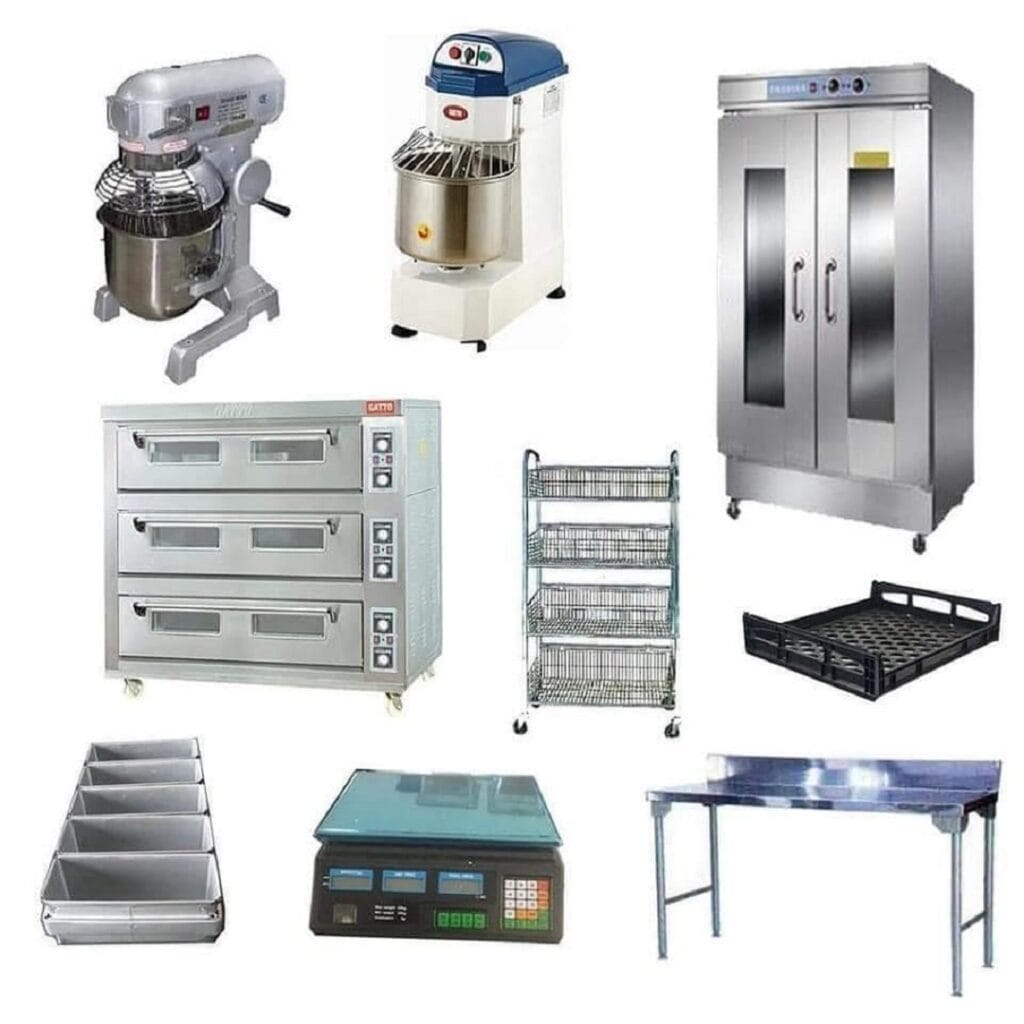
When planning your bread baking business setup, prioritising essential equipment makes financial sense. You don’t need to spend R100,000 upfront, as some sources suggest. Many successful bakers start with a reliable domestic oven, a good mixer, basic baking pans, and storage containers. As your customer base grows, you can reinvest profits into commercial equipment like deck ovens, dough mixers, and proofing cabinets. The key is understanding your production capacity needs based on realistic sales projections. For instance, if you’re targeting weekend markets, a smaller setup will suffice initially. Yet, if you’re aiming for daily institutional supply contracts, you’ll need equipment that can handle larger volumes efficiently. Remember, quality equipment lasts longer and produces more consistent results, ultimately saving you money in the long run.
| Equipment | Description | Approximate Cost (R) |
|---|---|---|
| Triple Deck Oven | YXD-90C | 40,000 |
| Bread Pans | BO5 x 24 (24 standard pans with lids) | 10,000 |
| Dough Mixer | 50 Litres, 220V, 1 Speed CS50 | 15,000 |
| Planetary Mixer | B20 (Cake Mixer) | 10,000 |
| Prover | Double Door HT-30B | 10,000 |
| Splash Back Table | 1700mm Mild Steel Legs SDTA9004O7 | 5,000 |
| Scale | 40kg Bench SKYPC40 | 5,000 |
| Bread Crates | 600x500x185mm x6 | 3,000 |
| Bread Trolley | 4 Tier | 2,000 |
| Total | R100,000 |
Creating a solid bakery business plan
No successful bread baking business launches without careful planning. Your bakery business plan should outline everything from market analysis to financial projections. Many entrepreneurs search for a small bakery business plan sample pdf online. Yet, creating your own tailored document proves to be more valuable. Start by researching your local market thoroughly who are your potential customers? What bread varieties do they prefer? What prices are they willing to pay? Your business plan should include detailed sections on marketing strategy, operational procedures, staffing needs, and financial forecasts. Don’t forget to factor in seasonal variations and potential challenges like load shedding, which can significantly impact production schedules. A well-crafted bakery shop business plan becomes your roadmap to success and can also help secure funding if needed.
Funding options for your bread baking business in South Africa
Many aspiring bakers worry about securing capital, but several practical funding options exist specifically for food businesses in South Africa. The Small Enterprise Finance Agency (SEFA) offers loans to qualifying small businesses, including bakeries. Additionally, various development finance institutions offer grants and low-interest loans to entrepreneurs in the food manufacturing sector. Some municipalities run enterprise development programmes that include equipment subsidies or rent-free periods for new businesses in designated industrial zones. Crowdfunding platforms have also become popular for food entrepreneurs. These platforms allow them to pre-sell products. They can also offer special packages to early supporters. Before approaching any funding source, make sure you have a comprehensive business plan for bakery operations. It should show clear market demand. Additionally, it must include realistic financial projections. Remember that starting small with personal savings often builds credibility for larger funding applications later.
Marketing your bread baking business effectively
In today’s digital age, marketing your bread baking business doesn’t need massive advertising budgets. Many successful bakers build their brands through word-of-mouth referrals and strategic social media presence. WhatsApp groups have become particularly powerful tools for local food businesses in South Africa. They allow direct communication with customers about daily specials. They also inform about product availability. You can create a simple Facebook page. Share photos of your products there. Include customer testimonials and behind-the-scenes glimpses of your baking process. This can attract local followers quickly. Community engagement matters too. Consider offering free samples at local events. You can also partner with nearby spaza shops to show your products. Your marketing strategy should focus on quality and consistency, as satisfied customers become your best advertising through personal recommendations.
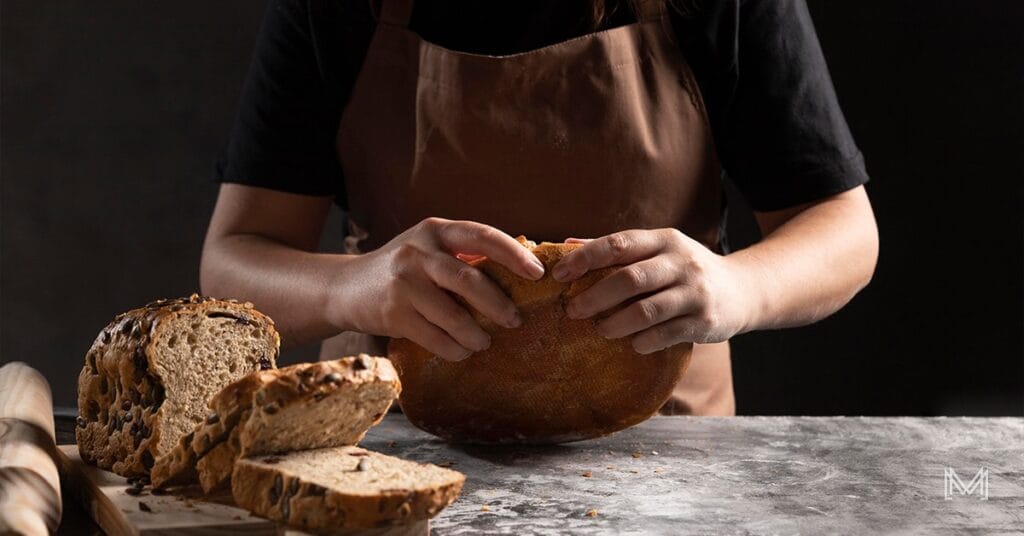
Navigating legal requirements for a bakery business in South Africa
Understanding the legal framework surrounding a bread baking business in South Africa is crucial for long-term success. Beyond basic business registration, you must follow the Foodstuffs, Cosmetics and Disinfectants Act (Act 54 of 1972). You must also adhere to its regulations. This means maintaining strict hygiene standards, proper labelling of products with ingredients and allergen information, and regular health inspections. Many new bakers overlook the importance of proper insurance coverage, which protects against potential liability claims. The Department of Health provides guidelines for small-scale food producers. Joining organisations like the South African Bakery Association can offer valuable resources and advocacy support. While these requirements seem overwhelming initially, they ultimately protect both your customers and your business reputation. Many successful bakers recommend consulting with a food safety specialist during the planning phase. This ensures full compliance from day one.
Innovative bread baking business ideas to stand out
The most successful bread baking businesses in South Africa today aren’t just making standard white loaves. They are creating unique products that capture customer imagination. Consider exploring artisanal varieties like sourdough, rye, or whole-grain options that appeal to health-conscious consumers. Speciality items like seeded breads, gluten-free alternatives, or traditional African breads like mageu-infused loaves can differentiate your offerings. Some innovative bakers have found success with subscription models, delivering fresh bread packs to customers weekly or monthly. Others partner with local coffee shops to supply exclusive bread varieties that complement their beverages. The key is identifying gaps in your local market and developing products that solve specific customer problems. Remember that innovation doesn’t always mean complex recipes. Sometimes it’s about offering familiar products with exceptional quality. Service that keeps customers coming back is also essential.
Managing the daily operations of your bread baking business
Success in the bread baking business requires more than just excellent recipes it demands disciplined operational management. Establishing consistent production schedules becomes crucial, especially when supplying regular customers like schools or restaurants. Many bakers start their day before dawn to make sure fresh products are ready for morning deliveries. Effective inventory management prevents waste and ensures you always have enough ingredients without overstocking perishable items. By building relationships with reliable suppliers, you can secure better prices. It also helps to keep consistent quality for essential ingredients like flour, yeast, and packaging materials. As your business grows, time management skills become vital. Learning to batch tasks efficiently is crucial. It also helps to delegate responsibilities whenever possible. These strategies help sustain a work-life balance. The most successful bakers treat their operations as if they are well-oiled machines. Every process, from mixing to delivery, runs smoothly and predictably.

Scaling your bread baking business for greater impact
Once your bread baking business establishes a solid customer base and consistent cash flow, expansion opportunities emerge naturally. Many bakers transition from home kitchens to dedicated commercial spaces, allowing increased production capacity and extra product lines. Some successful entrepreneurs diversify into complementary products. These products include pastries, cakes, or savoury items. They share equipment and customer bases with their core bread offerings. Others focus on geographic expansion, adding delivery routes to neighbouring communities or establishing pickup points in strategic locations. The most ambitious bakers create franchise models. They develop supply networks that allow others to run under their brand. These networks keep high quality standards. Whatever growth path you choose, remember that scaling should happen organically based on proven demand rather than theoretical potential. Each expansion step requires careful financial planning and risk assessment to protect your existing business foundation.
Real success stories from South African bread-baking entrepreneurs
Across South Africa, countless inspiring stories show how a bread baking business can transform lives and communities. Take Sipho from Soweto. He started baking in his mother’s kitchen during university holidays. Now, he employs twelve people at his thriving bakery. It serves schools and businesses across Johannesburg. Or consider Nomsa from Durban. Her home-based bread-baking business began as a way to supplement her teaching salary. Now, it supplies over thirty local spaza shops with specially formulated diabetic-friendly bread varieties. These entrepreneurs didn’t start with massive capital or fancy qualifications. They began with passion and determination. They also had a willingness to learn from mistakes. Their success stories share common threads: consistent quality, community connection, and adaptability to changing market conditions. Their journeys prove that financial independence through bread-baking businesses isn’t just possible; it’s happening right now across our nation.
Challenges and solutions in the bread baking business landscape
No business journey is without obstacles, and the bread baking business presents specific challenges that need creative solutions. Load shedding remains one of the biggest threats to consistent production. Many successful bakers have invested in solar power systems or gas-powered alternatives. These investments help sustain operations during outages. Rising ingredient costs squeeze profit margins, making efficient recipe formulation and strategic pricing essential survival skills. Competition from large retailers forces small bakers to differentiate through quality, specialisation, and personal service that chains can’t match. Seasonal fluctuations in demand need careful cash flow management and sometimes diversification into products with year-round appeal. The most resilient bakers view these challenges as opportunities to innovate. They strengthen their business models rather than seeing them as reasons to give up. Building a support network of fellow entrepreneurs is important. Joining local business associations or online forums provides valuable advice. These platforms also offer emotional support during tough times.
The future of the bread baking business in South Africa
Looking ahead, the bread-baking business sector in South Africa shows tremendous growth potential despite economic uncertainties. Consumer trends increasingly favour locally produced foods. They prefer artisanal foods over mass-produced alternatives. This creates opportunities for skilled bakers who prioritise quality and authenticity. Technological advancements simplify business processes for small bakers. They can easily manage orders and track inventory. Additionally, they can connect with customers through mobile apps and digital platforms. There is a growing emphasis on food security. Supporting local economies aligns perfectly with the values of independent bakeries. These bakeries serve their communities. Increased awareness of dietary requirements creates demand for specialised products. These include gluten-free, low-carb, or high-protein bread varieties that command premium prices. For entrepreneurs willing to adapt and innovate, the bread-baking business landscape offers exciting possibilities for meaningful growth and impact.

Building your bread baking business legacy
A successful bread baking business transcends mere financial gain it creates lasting value for families, communities, and future generations. Many South African bakers find deep satisfaction in preserving traditional recipes while introducing innovative techniques that keep their craft relevant. The skills and discipline needed to run a profitable bakery translate into valuable life lessons for children and employees alike. Community bakeries often become gathering places where neighbours connect and support each other through difficult times. Some entrepreneurs start training programmes to teach baking skills to unemployed youth, creating pathways to economic participation. When you build a bread-baking business with integrity and purpose, you’re not just selling products. You are contributing to food security. You are also contributing to job creation and cultural preservation in your community. This legacy aspect adds profound meaning to the daily work of mixing, shaping, and baking.
Taking your first steps toward bread baking business success
If the idea of starting your own bread baking business excites you, the journey begins with small, deliberate actions today. Start by perfecting a few basic recipes in your home kitchen, focusing on consistency and quality rather than quantity. Research your local market by visiting existing bakeries, talking to potential customers, and identifying unmet needs in your community. Connect with experienced bakers through social media groups or industry associations.
The most profitable opportunities lie in the simplest of things, right on our dinner tables.
Most successful entrepreneurs enjoy sharing advice with newcomers who show genuine passion. Create a simple business plan that outlines your first six months of operation, including realistic financial projections and marketing strategies. Every great bakery began with a single loaf. Your journey toward financial independence starts with that first batch of dough. The bread-baking business rewards dedication, attention to detail, and genuine care for customers. These are qualities that anyone can develop with practice and perseverance.
Bread baking business as your path to true freedom
In conclusion, the bread-baking business signifies far more than a commercial venture. It embodies the South African spirit of resilience, creativity, and community service. The road to financial independence requires hard work and sacrifice. The rewards extend beyond monetary gain. They include personal fulfilment, skill mastery, and meaningful contribution to society. We have explored fifteen key elements.
They range from market research to legacy building. These elements form a framework for success. Anyone can follow this framework, regardless of background or formal education. As you consider this path, remember that thousands of ordinary South Africans have already walked it successfully. They have transformed simple ingredients into extraordinary opportunities. Your journey begins not with perfect conditions but with the courage to mix your first batch of dough. The bread baking business awaits your unique contribution to our nation’s economic story, one delicious loaf at a time.

Bread-baking business conclusion
The bread-baking business opportunity stands ready for those willing to put in the effort and embrace the challenges. Financial independence remains within reach for dedicated entrepreneurs who understand their markets and commit to excellence. This bread-baking business journey transforms lives daily across our beautiful nation. Your bread baking business dream become tomorrow’s success story. Remember that this bread-baking business model has sustained families for generations. The bread-baking business continues to prove its worth in tough economic times.
Your bread-baking business will face obstacles, but overcome them with preparation. Many bread-baking business owners started exactly where you stand today. The bread-baking business rewards passion and persistence above all else. South Africa needs more passionate bread baking business entrepreneurs like you. This bread-baking business path leads to genuine financial freedom. Your bread-baking business potential remains limited only by your imagination. The bread baking business community welcomes dedicated new members warmly. This bread-baking business article hopefully inspires your own journey. The bread-baking business future looks bright with committed bakers leading the way.
Frequently Asked Questions
How profitable is a small bread baking business in South Africa right now?
Currently, the cost to produce a standard loaf is around R7.00, but selling it for R12.00 gives a healthy R5.00 profit margin per unit, proving it to be a significantly profitable venture.
Do I need a fancy commercial shop to start my bread baking business?
No, you can successfully start your bread baking business right in your own kitchen using basic equipment and gradually expanding as customer demand for your quality product grows.
What are the essential legal requirements for a home-based bakery in South Africa?
You must register your business with CIPC, adhere to the Foodstuffs, Cosmetics and Disinfectants Act (Act 54 of 1972), and obtain a food handler’s certificate to ensure full compliance.
Where can I find funding for my bread baking business in South Africa?
Several practical funding options exist, including loans from the Small Enterprise Finance Agency (SEFA), grants from development finance institutions, and popular crowdfunding platforms.
How do successful bakers manage the problem of load shedding impacting production?
Successful bakers view this challenge as an opportunity to innovate by investing in solar power systems or gas-powered alternatives to maintain consistent production schedules during power outages.
The post Bread baking business can help you achieve financial independence! first appeared on Mzansi Magazine.
]]>