

Unlocking Growth: Developing a Marketing Plan 8 Essential Purposes
In the vibrant streets of Johannesburg, you will find South African entrepreneurs. In the bustling hubs of Cape Town, they are known for their grit. Still, grit alone isn’t enough to keep a business afloat when the market gets tough. Many local founders jump into business with a great product but no map. Developing a marketing plan serves as that essential map, guiding you through the unpredictable landscape of the Mzansi economy. Whether you are running a small spaza shop or a tech startup in Sandton, you need a strategy. This ensures your brand not only survives but actually thrives.
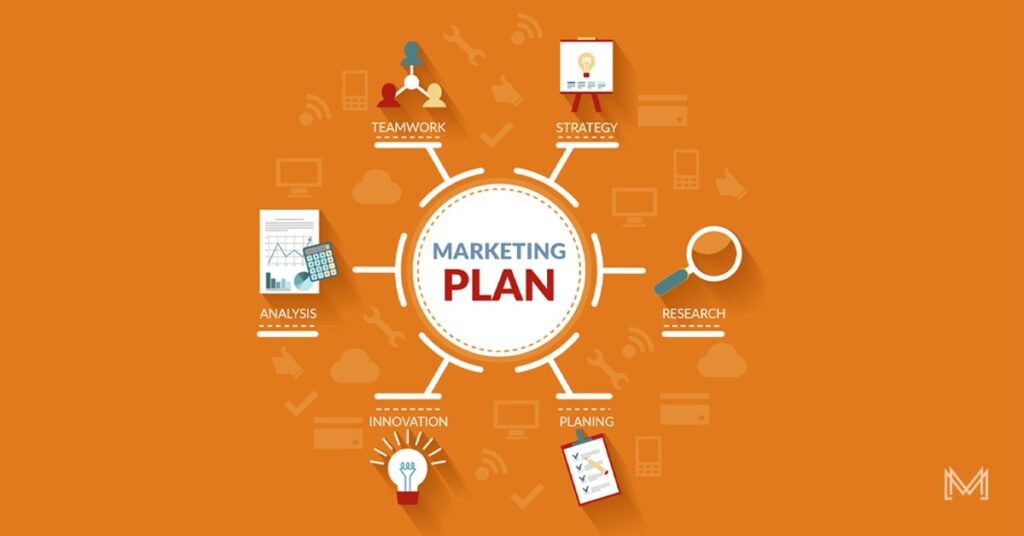
A solid plan is more than just a document you show to a bank manager for a loan. In fact, it is a living strategy that evolves as your business grows. When you look at a marketing plan layout, you see a structured way to think about your future.
Developing a marketing plan is essentially building a compass that ensures your team knows exactly what the brand stands for.
It forces you to stop and ask: where am I going, and how will I get there? For many, developing a marketing plan is a decision scenario that demands analytical thinking. It also requires creative vision. It bridges the gap between having a “lekker” idea and actually making money from it.
1. Defining Your Mission: Setting a Clear Direction
Every successful journey starts with a clear destination. In the South African context, competition is fierce. Consumer spending is often stretched. Having a vague goal is a recipe for failure. Developing a marketing plan starts with your mission statement. This isn’t just corporate jargon; it is the heartbeat of your business. Your mission explains why you exist beyond just making a profit. Are you solving a specific problem for South Africans? Are you providing affordable luxury or essential services?
Furthermore, your mission acts as a filter for every decision you make. If a new opportunity doesn’t align with your mission, you should probably walk away. When developing a marketing plan, you are essentially building a compass. This ensures that even when “load shedding” or economic shifts hit, your team knows exactly what the brand stands for. A well-defined mission creates a compelling vision. It inspires both your employees and your customers to stay loyal to your brand.
For example, a business plan marketing plan for a local fashion brand emphasises its unique offerings. The emphasis is on “bringing high-quality Mzansi threads to the youth.” It also focuses on sustainability. This mission then dictates everything from the fabrics you source to the influencers you partner with. By sticking to this core, you build a brand that feels authentic. It creates a brand that doesn’t just chase every passing trend.
2. Pinpointing Your Target Audience: Who Are You Speaking To?
You can’t sell to everyone, and trying to do so is a quick way to burn through your budget. In South Africa, our market is incredibly diverse, with different languages, cultures, and economic realities. Developing a marketing plan requires a deep dive into customer analysis. You need to know if you are talking to a Gen Z student in Braamfontein. Or are you speaking to a grandmother in a rural village in Limpopo? Their needs, habits, and how they use their phones are completely different.
To get this right, you should look at a marketing plan example that uses “buyer personas”. These are fictional characters that represent your ideal customers. You should ask yourself: What are their pain points? Where do they hang out online? Do they prefer WhatsApp for communication, or are they scrolling through TikTok? Having this knowledge lets you craft messages that actually land. Instead of shouting into the void, you are having a direct conversation with someone who actually wants what you’re selling.

Moreover, understanding your audience helps you choose the right tools. If your audience is mostly students, find a marketing plan example for them. This will help you see how brands engage with younger demographics. This stage is where developing a marketing plan and customer analysis becomes your most valuable asset. It prevents you from wasting money on radio ads when your customers are actually listening to podcasts or watching YouTube.
3. Setting Measurable Goals: Tracking Developing a Marketing Plan
If you can’t measure it, you can’t manage it. A common mistake for new entrepreneurs is setting goals like “I want to be famous” or “I want more sales.” These are dreams, not goals. When you are developing a marketing plan, your goals must be SMART: Specific, Measurable, Achievable, Relevant, and Time-bound. This turns your big vision into small, actionable steps that you can track every single month.
For instance, a sample marketing plan can include a goal like “increase Instagram followers by 1,000 within three months.” Another goal will be “generate 50 new leads via the website by December.” These numbers give you something to aim for. They also allow you to see what is working and what isn’t. If you hit your goal, you know your strategy is on point. If you miss it, you have the data to figure out why and pivot before you lose more resources.
Actually, developing a marketing plan shows which of the next functions of healthcare marketing or any industry for that matter? It is about strategic alignment. You are aligning your daily hustle with your long-term objectives. Without these benchmarks, you are just busy, not necessarily productive. Using a marketing planner template can help you keep these goals front and center. It ensures you don’t lose focus during the busy season.
4. Mapping Your Marketing Strategies: The Roadmap to Success
Now that you know your “who” and your “what”, you need the “how”. This is where you outline your specific tactics. A marketing strategy template usually breaks this down into different channels. In South Africa, digital marketing is growing fast, but traditional word-of-mouth and community engagement still hold massive weight. Your strategy should be a mix that suits your specific market.
When developing a marketing plan, you must decide which platforms deserve your time. Will you focus on Search Engine Optimisation (SEO) to get found on Google? Or will you use Facebook Ads to target specific neighbourhoods? You even consider a marketing template plan that includes influencer marketing, which is huge in the Mzansi lifestyle space. Your strategy is the bridge that carries your message from your office to the customer’s ears.
Furthermore, you should look at marketing planning examples from successful local brands like Tasha’s or Bathu. They didn’t just get lucky; they had a clear strategy for how to show up in the world. Whether you use a template for marketing strategy or build one from scratch, the goal is consistency. You want your brand to look the same no matter where it shows up. It should feel identical whether a customer sees it on a billboard or on their smartphone screen.
5. Defining Your Budget: Making Wise Investments
Let’s talk about the money. Many entrepreneurs fear the “B-word” (budget), but it is actually your best friend. Marketing isn’t an expense; it’s an investment in your future growth. Nevertheless, it’s an investment that needs to be managed carefully. Developing a marketing plan helps you decide exactly how many rand you will spend on each activity. This prevents you from running out of cash halfway through the year.
A marketing plan sample pdf will often show a clear breakdown of costs. You assign 30% to content creation, 40% to paid ads, and 30% to events or promotions. In South Africa, where small businesses often face cash flow challenges, this level of planning is vital. You need to make sure that every cent you spend is working hard for you. Developing a budget and timeline is the first step in crafting a marketing plan that actually stays realistic.

Additionally, having a budget enables you to calculate your Return on Investment (ROI). If you spend R1,000 on Facebook ads and get R5,000 in sales, you know that’s a winning move. Without a plan, you might just be “spraying and praying”, which is a dangerous way to run a business. Using marketing strategies template tools can help you visualise where your money is going. These tools also make sure you aren’t overspending on things that don’t bring in customers.
6. Identifying Your Competitors: Understanding the Landscape️
You are not operating in a vacuum. Your customers have choices, and your competitors are trying just as hard as you are to win them over. A major part of developing a marketing plan is conducting a thorough competitor analysis. You need to know who else is in the “ring” with you. What are they charging? What is their customer service like? What is their “secret sauce”?
Understanding the benefits of competitor analysis in developing a marketing plan is crucial. It helps you find gaps in the market. Maybe your competitors are all high-priced, leaving room for a budget-friendly choice. Or maybe they all have terrible websites, giving you a chance to win by offering a better online experience. By knowing their weaknesses, you can position your brand as the better solution.
If you can’t measure it, you can’t manage it. When you are developing a marketing plan, your goals must be SMART.
When you look at marketing plan examples, you’ll see that the best ones stand out. They don’t just copy the competition. You want to be the “purple cow” in a field of brown cows. Whether you’re a startup or a student, remember that knowing the enemy is essential. It is the first step to winning the market share battle.
7. Anticipating Challenges: Staying Agile and Adaptable
In Mzansi, things change fast. From policy shifts to global trends, a business that can’t adapt will get left behind. Developing a marketing plan isn’t about creating a rigid set of rules that you must follow forever. Instead, it’s about preparing for the “what ifs”. What if a new competitor enters your neighbourhood? What if the cost of your raw materials goes up?
Thinking about factors to consider when developing a marketing plan means looking at the external environment. This is often called a PESTLE analysis (Political, Economic, Social, Technological, Legal, and Environmental). For example, a South African business must consider the impact of local regulations or shifts in consumer confidence. By anticipating these hurdles, you can create contingency plans.
Moreover, which of the subsequent is true about developing a marketing plan? It must be flexible. If you realise that your chosen strategy isn’t working after two months, your plan should allow you to pivot. It’s a living document, not a stone tablet. This agility is what allows small businesses to outmanoeuvre big corporations, who are often too slow to change. Even a sample marketing plan pdf should have a section for “Risk Management.” This section shows you’ve thought about the bumpy roads ahead.
8. Tracking and Analysing Your Results: Continuous Improvement
The final purpose of your plan is to offer a framework for reflection. At the end of every month, you should sit down with your data. Check how you performed against your goals. Developing a marketing plan provides the metrics you need to judge your own performance objectively. Are people clicking on your ads? Are they staying on your website? Are they actually buying?
This phase is about constant optimisation. If you find that your email marketing has a high open rate, it indicates interest. Yet, if there are low sales, you need to work on your offer. Your TikTok videos may be getting thousands of views. Still, if no one is visiting your shop, you need a better “call to action”. This is the “science” part of marketing that balances out the “art”.
Actually, what is the second step in developing a marketing plan after setting your mission? It is often research and setting up these tracking systems. From day one, make sure you are collecting data. This data will help you make better decisions in year two. Whether you use a marketing plan template or a custom dashboard, stop guessing. Start knowing. Continuous improvement is the only way to stay at the top of your game in the long run.
The Power of a Well-Crafted Strategy
Ultimately, developing a marketing plan is the single most important thing you can do for your business’s health. It takes your dreams and turns them into a professional strategy. Define your mission and know your audience. Set goals and track your progress. This way, you move from being a “hustler” to being a business owner. It gives you the confidence to make big moves. You have the data and the plan to support them.

In a world full of noise, a clear plan is your megaphone. It ensures your message reaches the right people at the right time. You might be using a marketing template plan. Alternatively, you are downloading a marketing plan sample pdf. Either way, the effort you put in now will pay off in the months and years to come. Don’t let your business drift; take the wheel and drive it toward the success you deserve.
Frequently Asked Questions: Developing a Marketing Plan
Is a marketing plan really necessary for a small side hustle?
Yes, absolutely! Even if you are just selling crafts on weekends, developing a marketing plan is essential. It helps you understand if you are making a profit. It also helps find who your best customers are. It prevents you from wasting your hard-earned “side hustle” money on advertising that doesn’t work. Even a simple marketing plan layout on a single page can change your business.
Where can I find a good marketing plan example?
You can find many places online with marketing plan examples. This includes sites like Mzansi Magazine and global platforms like HubSpot. You can also search for a marketing plan sample pdf to see how professionals structure their documents. For those needing targeted resources, consider a marketing plan example for students. Alternatively, look for guides tailored to specific sectors, for example, healthcare marketing.
How often should I update my plan?
You should review your results monthly. A full update of your developing marketing plan strategy should happen at least once a year. Nonetheless, if there is a major shift in the South African economy or your industry, take immediate action. Update it to stay relevant. Using a marketing planner template makes these updates much easier to manage.
What is the most important part of the plan?
While all parts are vital, developing a marketing plan customer analysis is often considered the foundation. If you don’t truly understand who you are selling to, everything else will likely miss the mark. This includes your budget and your creative ads. Understanding your audience is the key that unlocks everything else.
As you move ahead, remember that developing a marketing plan is an ongoing journey of learning and growth. Stay curious, stay bold, and keep refining your strategy to match the ever-changing heart of South African business.


