
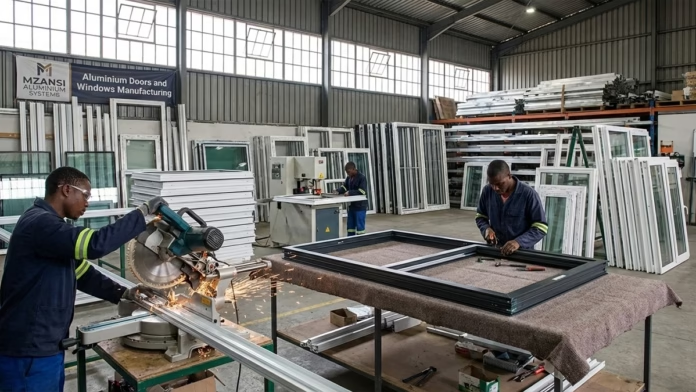
How to Start an Aluminium Doors and Windows Manufacturing Business
South Africa’s construction and infrastructure sectors continue to evolve. This change is driven by urbanisation and residential development. There is also a growing appetite for modern, energy-efficient building materials. Among these, aluminium doors and windows have surged in popularity thanks to their sleek aesthetics, durability, and low maintenance. For young entrepreneurs eyeing a high-demand, scalable venture, launching an aluminium doors and windows manufacturing business presents a compelling opportunity. This article explores how to enter this dynamic market. It offers insights grounded in South African realities and practical guidance.
Why Aluminium Doors and Windows Are in Demand
Aluminium has quietly become the material of choice across South Africa’s residential and commercial construction scenes. Unlike traditional wooden windows or heavier steel alternatives, aluminium offers a rare balance. It combines strength, lightness, resistance to rust, and design flexibility. Whether in Johannesburg high-rises, Durban coastal apartments, or Pretoria suburban homes, demand for modern aluminium fenestration systems is rising sharply.
Market reports confirm this trajectory. The South African aluminium doors and windows market is projected to grow steadily through 2029. A notable uptick is expected in 2028. This growth is fuelled not only by new builds. Renovations also contribute as homeowners increasingly replace older wooden door manufacturers’ products. They are choosing to switch worn-out frames with sleek, contemporary aluminium alternatives. In cities like Gauteng and Pretoria, modern architecture dominates. Demand for custom solutions from local aluminium door and window manufacturers remains robust.
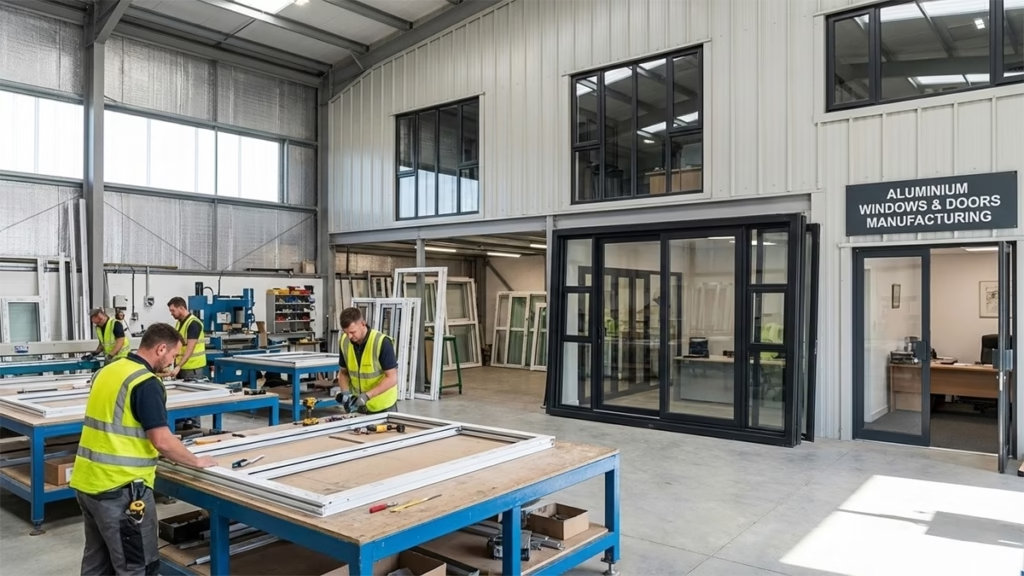
The versatility of aluminium window colours in South Africa is impressive. They range from classic white and bronze to modern matte black, silver, and even wood-effect finishes. This makes them adaptable to any design vision. This aesthetic flexibility is noteworthy. Aluminium also offers superior thermal and acoustic performance. These features position aluminium as a long-term investment for both builders and end-users.
How Much Are Aluminium Doors and Windows?
Before diving into fabrication, it’s essential to grasp the financial landscape. For potential buyers across the country, common questions include: “How much are aluminium windows?” or “What are the aluminium window Durban prices like?” The truth is, pricing varies widely based on size, finish, glazing type, and hardware quality.
Standard units like a 600×600 mm sliding window can start from R1,000 to R2,000. Larger configurations like 1800×1200 mm may range from R3,000 to R5,000. In Durban, where coastal corrosion resistance is a priority, cheap aluminium window Durban options exist. But, they often compromise on quality. Discerning buyers increasingly seek value over mere cost-cutting.
For manufacturers, this price spectrum means opportunity. You can position your brand in the budget segment by offering cheap aluminium window prices for cost-conscious clients. Alternatively, focus on premium, thermally broken systems with high-end handles and double glazing. Either way, transparency in your South Africa windows price list and South Africa doors price list builds trust and competitiveness.
Windows manufacturing isn’t just about cutting metal. It’s about precision engineering and weatherproofing.
Notably, installation typically adds R1,900 to R3,100 per unit, which many manufacturers bundle into their service a smart upsell strategy. Understanding these nuances helps you price accurately, manage client expectations, and maximise margins.
Navigating the Manufacturing Process
So, how are aluminium doors and windows actually made? The aluminium door and window manufacturing process starts with extrusion. This involves shaping raw aluminium billets into profiles like frames, mullions, and sashes. These are then cut, machined (for drainage slots, locking mechanisms, etc.), assembled with gaskets and glass, and finished with powder coating or anodising.
Many entrepreneurs mistakenly assume this requires massive upfront investment. Large-scale extrusion plants are capital-intensive. Yet, small to medium manufacturers can source pre-extruded profiles from suppliers like WISpeco or Alulux. They then focus on fabrication, assembly, and installation. This drastically lowers entry barriers.
Individuals interested in deeper technical insights can access several aluminium door and window manufacturing process PDF resources. These resources are available through industry bodies and training institutions. These guides detail tolerances, sealing techniques, and hardware compatibility critical knowledge for ensuring quality and safety compliance.
Remember: Windows manufacturing isn’t just about cutting metal. It’s about precision engineering and weatherproofing. It involves understanding how each part interacts under South African climate conditions. These range from the dry Highveld winters to the humid KwaZulu-Natal summers.
Training and Skill Development: Your First Investment
You don’t need a degree to enter this field but you do need hands-on skills. Fortunately, South Africa offers several aluminium window and door manufacturing training programmes tailored for newcomers. Institutions like the WISpeco Institute offer practical courses. Private academies for example AluCrimp Solutions give training in measuring and cutting. They also cover glazing and installation.
A typical aluminium window cost for a client reflects craftsmanship as much as materials. Thus, your team’s ability to fabricate accurately and install seamlessly directly impacts your reputation. Training courses some as short as one day, others spanning 10 days equip you with skills in:
- Reading architectural drawings
- Operating CNC machines and mitre saws
- Understanding thermal breaks and weep holes
- Troubleshooting common installation errors
These competencies not only improve product quality but also reduce waste and rework major cost drains for fledgling businesses. Plus, certified training adds credibility when pitching to contractors or property developers.
If you’re based in Gauteng, Pretoria, or Durban, you’ll find training providers within easy reach. Some even offer post-course mentorship or access to supplier networks a valuable bonus for new entrepreneurs.
Setting Up Your Operation: From Garage to Factory
Starting small is not only acceptable it’s strategic. Many successful aluminium door and window manufacturers in South Africa began in garages or backyard workshops. Your first setup might include:
- A double mitre saw
- A corner crimping or screwing machine
- A glass-cutting table (or partnership with a glazier)
- Basic hand tools and measuring equipment
As demand grows, you can scale into a dedicated workshop with CNC machinery, powder coating lines, and a showroom. Location matters: being near construction hotspots in Johannesburg, Pretoria, or Durban reduces logistics costs and improves response times.
Legal formalities are straightforward but essential. First, register your business as a Pty Ltd. Next, obtain a trade licence from your municipality. Finally, make sure compliance with SANS 10160 (loading standards) and SANS 204 (energy efficiency). While not all clients ask for certifications, possessing them positions you as a professional player. It sets you apart among door suppliers and door manufacturers in South Africa.
Also, consider branding early. There are many South Africa doors catalogue and South Africa windows catalogue options online. Standing out requires a clear identity. This could be achieved through unique finishes, faster turnaround, or eco-friendly practices.
Sourcing Materials and Managing Costs
Your biggest recurring expense will be raw materials primarily aluminium profiles and glass. Fortunately, South Africa has a well-developed supply chain. Major extruders run locally, and distributors in Gauteng and Cape Town offer next-day delivery on standard profiles.
To manage cash flow, avoid holding excessive stock. Instead, use client deposits to buy materials per job, a common practice that minimises risk. Also, negotiate volume discounts once you’re consistently ordering. Powder coating colours (from aluminium window colours in South African palettes) can be standardised to reduce lead times and costs.
When clients ask, “How much are aluminium windows?” Your quote should show not just materials but also labour, transport, and overhead. Transparent itemisation builds trust and justifies your pricing. This is crucial when competing against providers of cheap aluminium windows in Durban who may cut corners.
Marketing Your Business in a Crowded Market
With many aluminium door and window manufacturers in Gauteng and aluminium door and window manufacturers in Pretoria, differentiation is key. Don’t just sell windows sell peace of mind, energy savings, and modern design.
Use digital platforms effectively. Create before-and-after galleries on Instagram. List your South Africa door catalogue on Google Business. Offer free on-site quotes. Partner with architects, builders, and renovation influencers who can refer clients.
Whether in Johannesburg high-rises, Durban coastal apartments, or Pretoria suburban homes, demand for modern aluminium fenestration systems is rising sharply.
Also, consider niche markets. For example, the growing interest in wooden window frames has opened demand for wood-look aluminium. It’s a premium product you can manufacture with special powder coatings. Similarly, security-conscious homeowners seek reinforced systems, while eco-builders want thermally efficient frames.
Your window manufacturing brand should echo reliability. Offer warranties. Showcase testimonials. Keep a clean, professional website. Take inspiration from Mzansi Magazine’s emphasis on polished, user-friendly design in business communications.
Job Creation and Industry Contribution
Beyond profit, your venture can fuel local employment. The sector already supports thousands through aluminium doors and windows job vacancies in manufacturing, installation, sales, and logistics. As a young entrepreneur, hiring and training apprentices not only builds your team. It also invests in community upliftment. This is a narrative that resonates with South African values.
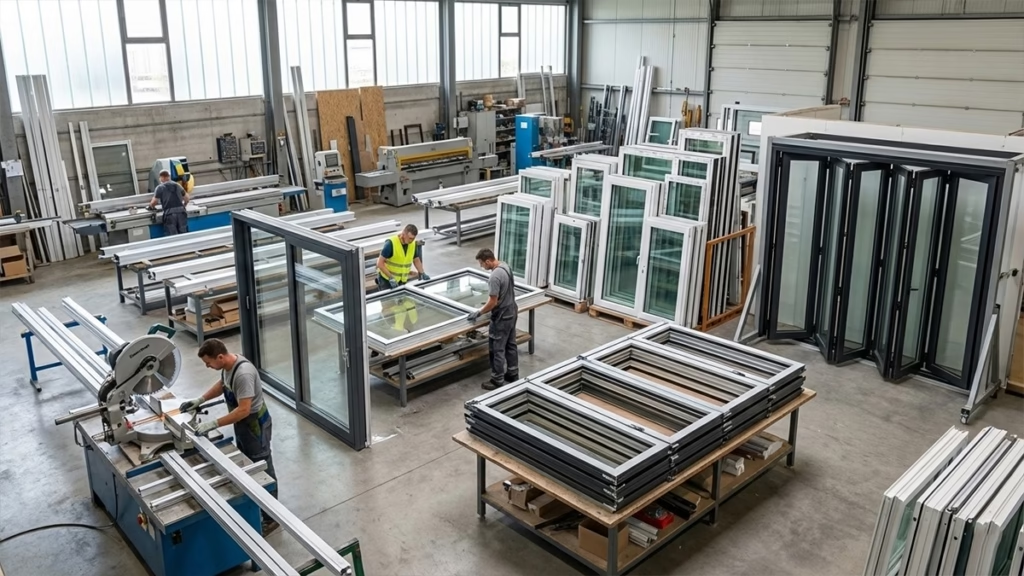
Moreover, local window manufacturing reduces reliance on imports. It keeps money circulating domestically. It also supports the broader metal fabrication ecosystem from tool suppliers to logistics firms.
Final Thoughts: A Future Built in Aluminium
Starting an aluminium doors and windows manufacturing business in South Africa is more than a commercial decision. It’s a stake in the nation’s built environment. With urban growth accelerating and sustainability becoming non-negotiable, aluminium fenestration is set to dominate for decades.
Whether you’re in Durban offering cheap aluminium windows Durban residents can trust, your role is vital. Alternatively, if you’re in Pretoria crafting high-end systems for executive homes, your role is equally important. Master the technical side, price fairly, train continuously, and market authentically. And always remember: window manufacturing isn’t just about frames and glass it’s about framing views, securing homes, and building legacies.
So, are you ready to cut, crimp, and construct your future in aluminium? The market’s open and South Africa’s skyline is waiting for your contribution.
FAQ’s Aluminium Doors and Windows Manufacturing
What is the estimated minimum startup cost for an aluminium windows manufacturing business?
You can achieve a lean start by focusing on core tools and starting stock. The estimated total startup cost ranges from R40,000 to R130,000. This range depends heavily on the quality and quantity of beginning machinery and materials you purchase.
Do I need to build my own extrusion plant to start manufacturing?
No, many small to medium manufacturers successfully start by sourcing pre-extruded aluminium profiles from local suppliers. This approach drastically lowers the high capital investment required for operating a full extrusion plant.
Where can I get training for aluminium window and door manufacturing in South Africa?
Several institutions, like the WISpeco Institute and private academies, offer practical courses tailored for newcomers. These programmes cover essential skills like measuring, cutting, glazing, and installation techniques.
How can I make my aluminium manufacturing business stand out in a competitive market?
You need to differentiate by offering clear value. For example, give faster turnaround times. Offer unique, high-end finishes like wood-look powder coatings. Also, make sure you market authentically and showcase testimonials to build a reliable brand reputation.
What are the essential legal steps for setting up my operation?
You must register your business. It is typically registered as a Pty Ltd. Then, obtain the necessary trade licence from your local municipality. It is also crucial to make sure compliance with South African National Standards (SANS) for safety and energy efficiency.


