

From Home Oven to Financial Freedom: Why a Bread Baking Business is Rising in Mzansi
In today’s challenging economic landscape, many South Africans are searching for reliable ways to build wealth. They want to secure their future. The dream of financial independence feels increasingly distant for countless young entrepreneurs and families struggling to make ends meet. Yet, sometimes the most profitable opportunities lie in the simplest of things right on our dinner tables. A bread baking business stands for more than just a way to make money. It offers a genuine path to financial freedom. Anyone with dedication and passion can pursue it. This humble yet powerful venture has transformed the lives of many ordinary South Africans. They turned their kitchen skills into thriving enterprises. Let us explore how this time-honoured craft can become your ticket to economic stability and personal achievement.
Why the bread baking business makes perfect sense today
South Africa’s economy continues to face significant pressures, with inflation hitting hard on everyday essentials. Bread prices have surged dramatically in recent months, creating both challenges and opportunities for savvy entrepreneurs. When major retailers increase their prices, communities naturally seek alternatives that offer quality at fair prices. This market gap is a golden opportunity. Local bakers can step in and offer excellent products directly to consumers. A bread baking business is appealing to everyone. Bread is a necessity for all, making it one of the most recession-resistant business models. Unlike trendy startups that come and go with changing fashions, bread remains a constant in South African households. It is cherished across all income brackets and cultural backgrounds.
The stats are not deceiving.
It is a fact that the cost of producing a single loaf of bread is now about R7.00. Here is the truth. It is possible to make a profit of R3.00 per loaf by selling it for the low price of R10.00. Imagine delivering 600 loaves of bread every day to a single-boarding school. That would result in a daily profit of R1800.00, which would translate to an astonishing R54,000.00 each month!
The real numbers behind bread baking business profitability
Many aspiring entrepreneurs get discouraged when they hear about starting costs. Yet, let me break down some realistic figures that surprise you. Presently, the cost to produce a standard loaf of quality white bread sits around R7.00 when you factor in ingredients, packaging, and utilities. Still, selling that same loaf for just R12.00 gives you a healthy R5.00 profit margin per unit. Now, imagine supplying a local school with 500 loaves daily – that’s R2,500 profit every single day. Over a month, this translates to approximately R75,000 in pure profit before considering other clients. These numbers aren’t fantasy. They represent the actual earnings of successful small-scale bakers. These bakers run across Gauteng, KwaZulu-Natal, and the Western Cape. The first investment seems daunting. With careful planning and phased equipment acquisition, you can start small. You can then grow steadily.
Starting your bread baking business from home
One of the most appealing aspects of a bread baking business is that you don’t need a fancy shopfront to start. Many successful bakers started right in their own kitchens, using basic equipment and gradually expanding as demand grew. The legal requirements for a home-based bread baking business in South Africa have become more accessible in recent years. Still, you must still follow food safety regulations. You must register your business with the Companies and Intellectual Property Commission (CIPC).
Your journey toward financial independence starts with that first batch of dough.
Obtain a food handler’s certificate. Make sure your home kitchen meets basic hygiene standards. Local municipalities often offer guidance on these requirements, and many offer support programmes for small food businesses. Starting from home lets you test your recipes. You can build a customer base. It helps generate early profits before committing to larger premises and equipment investments.
Essential equipment for your bread baking business journey
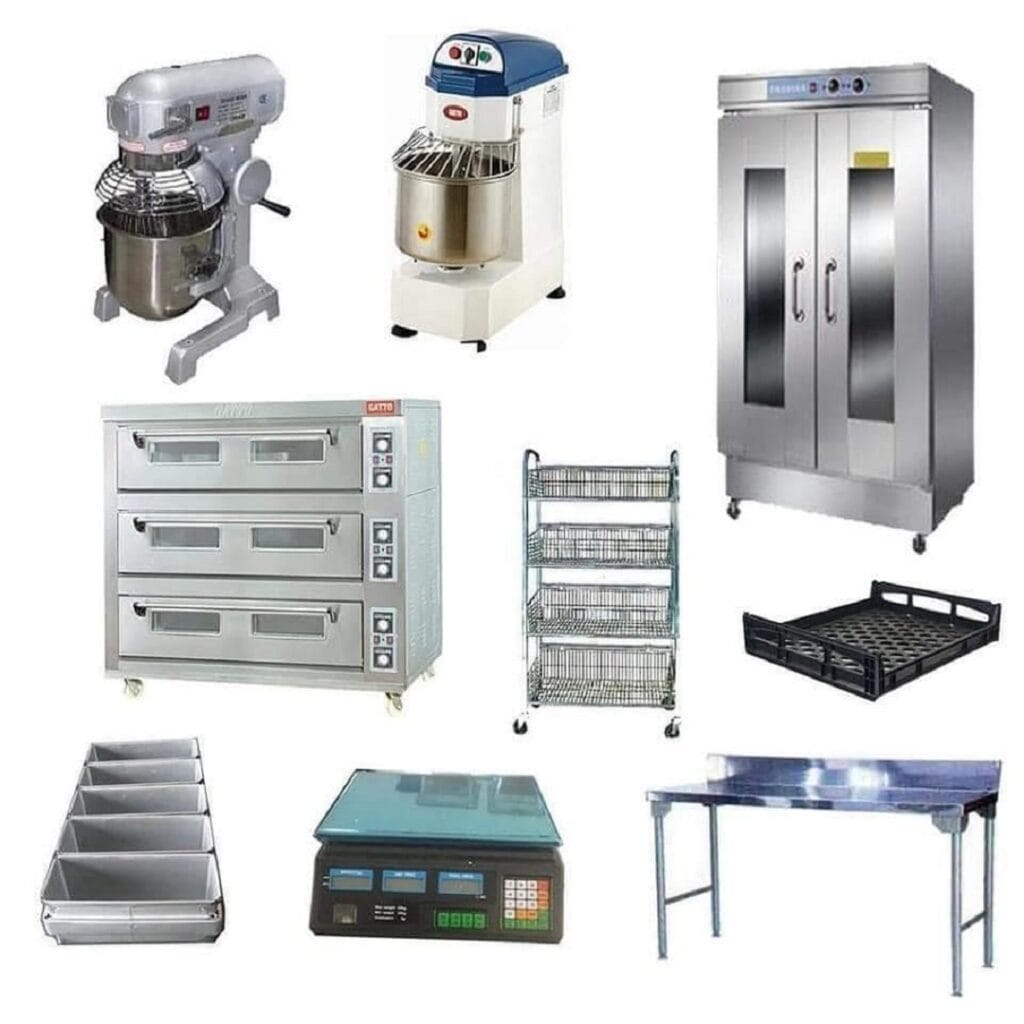
When planning your bread baking business setup, prioritising essential equipment makes financial sense. You don’t need to spend R100,000 upfront, as some sources suggest. Many successful bakers start with a reliable domestic oven, a good mixer, basic baking pans, and storage containers. As your customer base grows, you can reinvest profits into commercial equipment like deck ovens, dough mixers, and proofing cabinets. The key is understanding your production capacity needs based on realistic sales projections. For instance, if you’re targeting weekend markets, a smaller setup will suffice initially. Yet, if you’re aiming for daily institutional supply contracts, you’ll need equipment that can handle larger volumes efficiently. Remember, quality equipment lasts longer and produces more consistent results, ultimately saving you money in the long run.
| Equipment | Description | Approximate Cost (R) |
|---|---|---|
| Triple Deck Oven | YXD-90C | 40,000 |
| Bread Pans | BO5 x 24 (24 standard pans with lids) | 10,000 |
| Dough Mixer | 50 Litres, 220V, 1 Speed CS50 | 15,000 |
| Planetary Mixer | B20 (Cake Mixer) | 10,000 |
| Prover | Double Door HT-30B | 10,000 |
| Splash Back Table | 1700mm Mild Steel Legs SDTA9004O7 | 5,000 |
| Scale | 40kg Bench SKYPC40 | 5,000 |
| Bread Crates | 600x500x185mm x6 | 3,000 |
| Bread Trolley | 4 Tier | 2,000 |
| Total | R100,000 |
Creating a solid bakery business plan
No successful bread baking business launches without careful planning. Your bakery business plan should outline everything from market analysis to financial projections. Many entrepreneurs search for a small bakery business plan sample pdf online. Yet, creating your own tailored document proves to be more valuable. Start by researching your local market thoroughly who are your potential customers? What bread varieties do they prefer? What prices are they willing to pay? Your business plan should include detailed sections on marketing strategy, operational procedures, staffing needs, and financial forecasts. Don’t forget to factor in seasonal variations and potential challenges like load shedding, which can significantly impact production schedules. A well-crafted bakery shop business plan becomes your roadmap to success and can also help secure funding if needed.
Funding options for your bread baking business in South Africa
Many aspiring bakers worry about securing capital, but several practical funding options exist specifically for food businesses in South Africa. The Small Enterprise Finance Agency (SEFA) offers loans to qualifying small businesses, including bakeries. Additionally, various development finance institutions offer grants and low-interest loans to entrepreneurs in the food manufacturing sector. Some municipalities run enterprise development programmes that include equipment subsidies or rent-free periods for new businesses in designated industrial zones. Crowdfunding platforms have also become popular for food entrepreneurs. These platforms allow them to pre-sell products. They can also offer special packages to early supporters. Before approaching any funding source, make sure you have a comprehensive business plan for bakery operations. It should show clear market demand. Additionally, it must include realistic financial projections. Remember that starting small with personal savings often builds credibility for larger funding applications later.
Marketing your bread baking business effectively
In today’s digital age, marketing your bread baking business doesn’t need massive advertising budgets. Many successful bakers build their brands through word-of-mouth referrals and strategic social media presence. WhatsApp groups have become particularly powerful tools for local food businesses in South Africa. They allow direct communication with customers about daily specials. They also inform about product availability. You can create a simple Facebook page. Share photos of your products there. Include customer testimonials and behind-the-scenes glimpses of your baking process. This can attract local followers quickly. Community engagement matters too. Consider offering free samples at local events. You can also partner with nearby spaza shops to show your products. Your marketing strategy should focus on quality and consistency, as satisfied customers become your best advertising through personal recommendations.
Navigating legal requirements for a bakery business in South Africa
Understanding the legal framework surrounding a bread baking business in South Africa is crucial for long-term success. Beyond basic business registration, you must follow the Foodstuffs, Cosmetics and Disinfectants Act (Act 54 of 1972). You must also adhere to its regulations. This means maintaining strict hygiene standards, proper labelling of products with ingredients and allergen information, and regular health inspections. Many new bakers overlook the importance of proper insurance coverage, which protects against potential liability claims. The Department of Health provides guidelines for small-scale food producers. Joining organisations like the South African Bakery Association can offer valuable resources and advocacy support. While these requirements seem overwhelming initially, they ultimately protect both your customers and your business reputation. Many successful bakers recommend consulting with a food safety specialist during the planning phase. This ensures full compliance from day one.
Innovative bread baking business ideas to stand out
The most successful bread baking businesses in South Africa today aren’t just making standard white loaves. They are creating unique products that capture customer imagination. Consider exploring artisanal varieties like sourdough, rye, or whole-grain options that appeal to health-conscious consumers. Speciality items like seeded breads, gluten-free alternatives, or traditional African breads like mageu-infused loaves can differentiate your offerings. Some innovative bakers have found success with subscription models, delivering fresh bread packs to customers weekly or monthly. Others partner with local coffee shops to supply exclusive bread varieties that complement their beverages. The key is identifying gaps in your local market and developing products that solve specific customer problems. Remember that innovation doesn’t always mean complex recipes. Sometimes it’s about offering familiar products with exceptional quality. Service that keeps customers coming back is also essential.
Managing the daily operations of your bread baking business
Success in the bread baking business requires more than just excellent recipes it demands disciplined operational management. Establishing consistent production schedules becomes crucial, especially when supplying regular customers like schools or restaurants. Many bakers start their day before dawn to make sure fresh products are ready for morning deliveries. Effective inventory management prevents waste and ensures you always have enough ingredients without overstocking perishable items. By building relationships with reliable suppliers, you can secure better prices. It also helps to keep consistent quality for essential ingredients like flour, yeast, and packaging materials. As your business grows, time management skills become vital. Learning to batch tasks efficiently is crucial. It also helps to delegate responsibilities whenever possible. These strategies help sustain a work-life balance. The most successful bakers treat their operations as if they are well-oiled machines. Every process, from mixing to delivery, runs smoothly and predictably.

Scaling your bread baking business for greater impact
Once your bread baking business establishes a solid customer base and consistent cash flow, expansion opportunities emerge naturally. Many bakers transition from home kitchens to dedicated commercial spaces, allowing increased production capacity and extra product lines. Some successful entrepreneurs diversify into complementary products. These products include pastries, cakes, or savoury items. They share equipment and customer bases with their core bread offerings. Others focus on geographic expansion, adding delivery routes to neighbouring communities or establishing pickup points in strategic locations. The most ambitious bakers create franchise models. They develop supply networks that allow others to run under their brand. These networks keep high quality standards. Whatever growth path you choose, remember that scaling should happen organically based on proven demand rather than theoretical potential. Each expansion step requires careful financial planning and risk assessment to protect your existing business foundation.
Real success stories from South African bread-baking entrepreneurs
Across South Africa, countless inspiring stories show how a bread baking business can transform lives and communities. Take Sipho from Soweto. He started baking in his mother’s kitchen during university holidays. Now, he employs twelve people at his thriving bakery. It serves schools and businesses across Johannesburg. Or consider Nomsa from Durban. Her home-based bread-baking business began as a way to supplement her teaching salary. Now, it supplies over thirty local spaza shops with specially formulated diabetic-friendly bread varieties. These entrepreneurs didn’t start with massive capital or fancy qualifications. They began with passion and determination. They also had a willingness to learn from mistakes. Their success stories share common threads: consistent quality, community connection, and adaptability to changing market conditions. Their journeys prove that financial independence through bread-baking businesses isn’t just possible; it’s happening right now across our nation.
Challenges and solutions in the bread baking business landscape
No business journey is without obstacles, and the bread baking business presents specific challenges that need creative solutions. Load shedding remains one of the biggest threats to consistent production. Many successful bakers have invested in solar power systems or gas-powered alternatives. These investments help sustain operations during outages. Rising ingredient costs squeeze profit margins, making efficient recipe formulation and strategic pricing essential survival skills. Competition from large retailers forces small bakers to differentiate through quality, specialisation, and personal service that chains can’t match. Seasonal fluctuations in demand need careful cash flow management and sometimes diversification into products with year-round appeal. The most resilient bakers view these challenges as opportunities to innovate. They strengthen their business models rather than seeing them as reasons to give up. Building a support network of fellow entrepreneurs is important. Joining local business associations or online forums provides valuable advice. These platforms also offer emotional support during tough times.
The future of the bread baking business in South Africa
Looking ahead, the bread-baking business sector in South Africa shows tremendous growth potential despite economic uncertainties. Consumer trends increasingly favour locally produced foods. They prefer artisanal foods over mass-produced alternatives. This creates opportunities for skilled bakers who prioritise quality and authenticity. Technological advancements simplify business processes for small bakers. They can easily manage orders and track inventory. Additionally, they can connect with customers through mobile apps and digital platforms. There is a growing emphasis on food security. Supporting local economies aligns perfectly with the values of independent bakeries. These bakeries serve their communities. Increased awareness of dietary requirements creates demand for specialised products. These include gluten-free, low-carb, or high-protein bread varieties that command premium prices. For entrepreneurs willing to adapt and innovate, the bread-baking business landscape offers exciting possibilities for meaningful growth and impact.

Building your bread baking business legacy
A successful bread baking business transcends mere financial gain it creates lasting value for families, communities, and future generations. Many South African bakers find deep satisfaction in preserving traditional recipes while introducing innovative techniques that keep their craft relevant. The skills and discipline needed to run a profitable bakery translate into valuable life lessons for children and employees alike. Community bakeries often become gathering places where neighbours connect and support each other through difficult times. Some entrepreneurs start training programmes to teach baking skills to unemployed youth, creating pathways to economic participation. When you build a bread-baking business with integrity and purpose, you’re not just selling products. You are contributing to food security. You are also contributing to job creation and cultural preservation in your community. This legacy aspect adds profound meaning to the daily work of mixing, shaping, and baking.
Taking your first steps toward bread baking business success
If the idea of starting your own bread baking business excites you, the journey begins with small, deliberate actions today. Start by perfecting a few basic recipes in your home kitchen, focusing on consistency and quality rather than quantity. Research your local market by visiting existing bakeries, talking to potential customers, and identifying unmet needs in your community. Connect with experienced bakers through social media groups or industry associations.
The most profitable opportunities lie in the simplest of things, right on our dinner tables.
Most successful entrepreneurs enjoy sharing advice with newcomers who show genuine passion. Create a simple business plan that outlines your first six months of operation, including realistic financial projections and marketing strategies. Every great bakery began with a single loaf. Your journey toward financial independence starts with that first batch of dough. The bread-baking business rewards dedication, attention to detail, and genuine care for customers. These are qualities that anyone can develop with practice and perseverance.
Bread baking business as your path to true freedom
In conclusion, the bread-baking business signifies far more than a commercial venture. It embodies the South African spirit of resilience, creativity, and community service. The road to financial independence requires hard work and sacrifice. The rewards extend beyond monetary gain. They include personal fulfilment, skill mastery, and meaningful contribution to society. We have explored fifteen key elements.
They range from market research to legacy building. These elements form a framework for success. Anyone can follow this framework, regardless of background or formal education. As you consider this path, remember that thousands of ordinary South Africans have already walked it successfully. They have transformed simple ingredients into extraordinary opportunities. Your journey begins not with perfect conditions but with the courage to mix your first batch of dough. The bread baking business awaits your unique contribution to our nation’s economic story, one delicious loaf at a time.
Bread-baking business conclusion
The bread-baking business opportunity stands ready for those willing to put in the effort and embrace the challenges. Financial independence remains within reach for dedicated entrepreneurs who understand their markets and commit to excellence. This bread-baking business journey transforms lives daily across our beautiful nation. Your bread baking business dream become tomorrow’s success story. Remember that this bread-baking business model has sustained families for generations. The bread-baking business continues to prove its worth in tough economic times.
Your bread-baking business will face obstacles, but overcome them with preparation. Many bread-baking business owners started exactly where you stand today. The bread-baking business rewards passion and persistence above all else. South Africa needs more passionate bread baking business entrepreneurs like you. This bread-baking business path leads to genuine financial freedom. Your bread-baking business potential remains limited only by your imagination. The bread baking business community welcomes dedicated new members warmly. This bread-baking business article hopefully inspires your own journey. The bread-baking business future looks bright with committed bakers leading the way.
Frequently Asked Questions
How profitable is a small bread baking business in South Africa right now?
Currently, the cost to produce a standard loaf is around R7.00, but selling it for R12.00 gives a healthy R5.00 profit margin per unit, proving it to be a significantly profitable venture.
Do I need a fancy commercial shop to start my bread baking business?
No, you can successfully start your bread baking business right in your own kitchen using basic equipment and gradually expanding as customer demand for your quality product grows.
What are the essential legal requirements for a home-based bakery in South Africa?
You must register your business with CIPC, adhere to the Foodstuffs, Cosmetics and Disinfectants Act (Act 54 of 1972), and obtain a food handler’s certificate to ensure full compliance.
Where can I find funding for my bread baking business in South Africa?
Several practical funding options exist, including loans from the Small Enterprise Finance Agency (SEFA), grants from development finance institutions, and popular crowdfunding platforms.
How do successful bakers manage the problem of load shedding impacting production?
Successful bakers view this challenge as an opportunity to innovate by investing in solar power systems or gas-powered alternatives to maintain consistent production schedules during power outages.


