
Starting a Profitable Crocodile Farm: A Mzansi Money-Making Venture?
Have you ever thought a profitable crocodile farm is your ticket to financial freedom? Young entrepreneurs across South Africa are quietly building empires. This trend spans from the bushveld of Limpopo to the coastal flats of KwaZulu-Natal. Their success relies on Africa’s most feared reptiles. Yes, you read that right. Forget traditional livestock for a moment. The crocodile farm is emerging as a seriously profitable, though undeniably risky, agribusiness frontier in Mzansi.
Not so long ago, profitable crocodile farming was seen as the domain of eccentric zookeepers or wealthy conservationists. But times are changing. Rising global demand for exotic leather and specialty meats has increased accessibility. Strong regulatory frameworks also make crocodile farming in South Africa potentially more lucrative than ever. Still, this is not chicken farming. It’s not even goat farming. It’s full-on reptile husbandry, and it demands respect, planning, and grit.
In this deep dive for Mzansi Magazine, we explore what it takes to start and sustain a profitable crocodile farm. A farm that not only survives but thrives in today’s competitive agribusiness landscape. Whether you’re in Durban, Johannesburg, or somewhere rural like Nelspruit, this guide will help you. It shows you how to turn scaly creatures into serious cash. This is done ethically and sustainably.
🐊 Quick Guide: The Profitable Crocodile Farm
📜 Legal Basics
To start a crocodile farm, you need CITES permits and provincial approval. No “shortcuts” here compliance is key to your export license.
🏗️ Setup
Location is everything. The Nile crocodile needs the heat of Limpopo or KZN to grow fast and healthy for the leather market.
🥩 Feed & Care
High protein diets make for premium South African crocodile skins. Proper husbandry ensures no scars on the belly skin.
💰 The Payout
Profit comes from luxury leather and meat. Don’t forget the crocodile farm entrance fee to keep cash flowing while your crocs grow.
Why Crocodile Farming Is Gaining Ground in Mzansi
Let’s talk real talk: why would anyone in their right mind choose to farm crocodiles? For starters, crocodile leather is among the most expensive in the world. Luxury brands like Louis Vuitton and Hermès don’t just like crocodile skin. They depend on it for handbags, which fetch prices in the tens of thousands of rands. And they’re not the only market. Shoes, belts, wallets the demand is steady and global.
Then there’s the meat. While still niche in South Africa, crocodile meat is gaining traction in upscale restaurants, especially in Durban and Cape Town. It’s high in protein, low in fat, and leaner than chicken. As Mzansi’s culinary scene evolves, so does the appetite for unique, sustainable proteins.
But it’s not just about profit. A well-run profitable crocodile farm can support conservation by reducing pressure on wild populations. In fact, many crocodile and reptile parks across the country blend tourism, education, and sustainable farming. Examples include Croc City South Africa or Riverbend Crocodile Farm. They prove that crocodiles don’t have to be monsters; they can be moneymakers and ambassadors for biodiversity.
What Exactly Is Crocodile Farming?
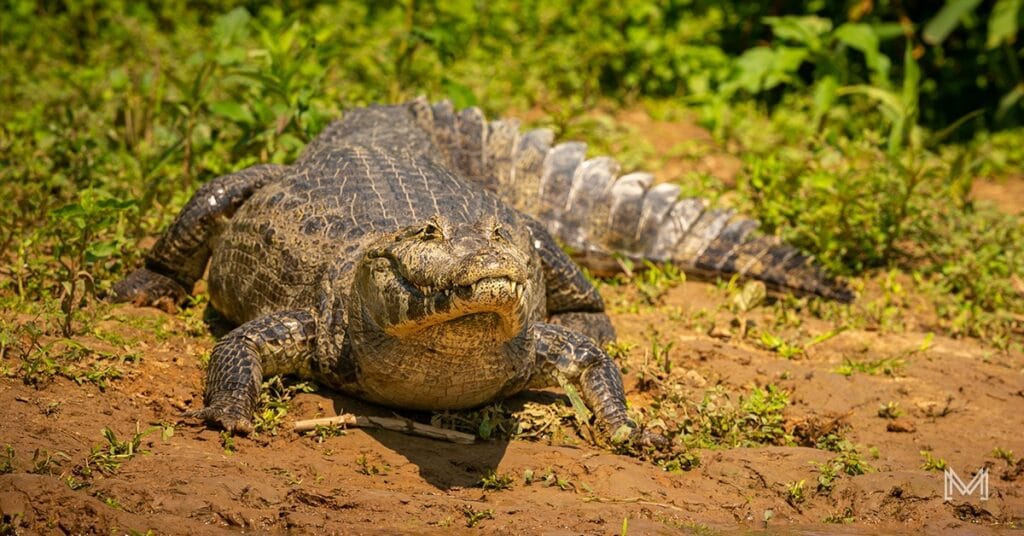
Before you buy your first hatchling or dig your first pond, it helps to understand what crocodile farming really means. At its core, it involves the controlled breeding of crocodiles. It also includes raising and harvesting them. The Nile crocodile primarily dominates crocodile farming in South Africa.
Crocodiles in South Africa are mostly found in rivers and wetlands in Limpopo, Mpumalanga, and KwaZulu-Natal. The Nile crocodile size can reach up to 5 metres, with the largest Nile crocodile ever recorded being even bigger. These animals are powerful, territorial, and long-lived, sometimes over 70 years. That’s why farming them isn’t a short-term hustle. It’s a long-game investment.
A typical profitable crocodile farm includes breeding enclosures, hatcheries, grow-out pens, and processing facilities. Some also double as croc parks or reptile parks. They charge an entrance fee to curious tourists. This is a smart way to diversify income.
Legal Labyrinth: Permits, Licences, and Paperwork
Here’s the hard truth: you can’t just fence off a dam and start calling yourself a crocodile farmer. South Africa has strict laws governing wildlife farming. These laws are especially stringent for species listed under CITES (the Convention on International Trade in Endangered Species). The Nile crocodile is listed under CITES Appendix II, which means trade is allowed but only with permits.
You’ll need:
- A provincial permit from your local conservation authority
- A CITES export permit if you plan to sell leather or meat internationally
- Environmental impact assessments (depending on farm size)
- Compliance with animal welfare legislation
Don’t cut corners here. The Department of Forestry, Fisheries and the Environment (DFFE) doesn’t play. If you’re found operating without proper documentation, you could face fines, confiscation of animals, or even criminal charges.
It’s wise to speak with a legal expert who specialises in wildlife law. Even better? Study successful models like Crocodile World Durban or Riverbend Crocodile Farm. They’ve navigated these waters and survived.
Essential Steps in Your Profitable Crocodile Farm Business Plan
Every successful venture starts with a solid strategy. If you search for a crocodile farm business plan pdf, it will cover infrastructure. It also encompasses marketing. You need to account for the high costs of specialised feed, veterinary care, and electricity for incubation. In 2025, many crocodile farms are also incorporating renewable energy. They use solar power to keep their “hot houses” at the perfect temperature. This approach helps to avoid breaking the bank on Eskom bills.
Success in crocodile farming isn’t a short-term hustle; it demands respect, meticulous planning, and the patience to invest for the long game.
Your plan must also include a detailed marketing strategy. While the export market for skins is the “big prize”, don’t ignore the local potential. You could open a croc park or a crocodile and reptile park section to generate cash flow through tourism. Many successful operations, like Croc City South Africa, use a crocodile farm entrance fee to help cover daily running costs. This hybrid model combining production with tourism is often the secret to staying afloat during the early years.
Location, Location, Location
Where you set up your crocodile farm matters a lot. Crocodiles in Africa thrive in warm, humid climates with access to fresh water. That’s why most crocodile farms in South Africa are based in the northeast: Limpopo, Mpumalanga, and northern KZN.
Ask yourself:
- Is there a natural water source?
- Is the land flat enough for building enclosures?
- Is the climate consistently warm (above 20°C for most of the year)?
- Are you far enough from residential areas to avoid noise and safety complaints?
Also, consider proximity to markets. If you’re producing leather, being near industrial hubs like Johannesburg or Durban helps. If you’re selling meat to restaurants, being near urban centres is a plus.
And remember: crocodile farming in South Africa isn’t just about crocs; it’s about coexisting with the ecosystem. Avoid wetlands or protected areas. Choose degraded land that can be sustainably repurposed.
Learning from the Old Hands
Nobody becomes a successful crocodile farmer from watching YouTube videos alone. This trade demands hands-on experience. That’s why mentorship is non-negotiable.
Visit established operations like Croc City Crocodile & Reptile Park near Cape Town or Crocodile Creek Durban. Ask questions. Volunteer if you can. Observe how they handle feeding, breeding, and health checks.
Many seasoned farmers started as zookeepers or worked at places like the zoo in KwaZulu-Natal or snake parks in Johannesburg. Their knowledge is gold. They’ll explain how a stressed croc stops growing. They’ll describe how humidity affects egg incubation. They’ll also reveal why you never turn your back on a 3-metre male during mating season.
If possible, spend at least three to six months working on a real crocodile farm before launching your own. It could save you hundreds of thousands in avoidable mistakes.
Building Your Croc Fortress: Infrastructure Essentials
A profitable crocodile farm runs on solid infrastructure. Think of it as building a reptile resort except the guests have teeth.
Start with the hatchery. Nile crocodile eggs need precise temperature (around 31–33°C) and humidity (90%+) to hatch successfully. Invest in professional incubators don’t wing it with DIY setups.
Next, design grow-out pens. Separate by age: hatchlings (0–1 year), juveniles (1–3 years), and adults (3+ years). Each group have different space, diet, and safety needs. Adult enclosures must have deep water, basking areas, and fencing at least 2.5 metres high – crocs can climb!
Don’t forget biosecurity. A single outbreak of disease can wipe out your stock. Install footbaths, restrict visitor access, and work with a vet who understands reptiles.

Also, consider adding a small processing unit if you plan to harvest on-site. South Africa has strict meat hygiene laws, so you’ll need certification from the Department of Agriculture.
Feeding, Health, and Daily Husbandry
Feeding isn’t just tossing chickens into a pond. A South African crocodile’s diet changes as it grows. Hatchlings need minced fish or specialised pellets. Juveniles eat whole fish, chickens, or offal. Adults can handle larger cuts but always bone-in for calcium.
- Overfeeding leads to obesity and poor hide quality. Underfeeding stunts growth. Balance is key.
- Health monitoring is equally vital. Crocodiles hide illness well. Look for signs like lethargy, refusal to eat, or cloudy eyes. Parasites are common; regular deworming is essential.
- Work with a reptile-savvy vet. Few exist in Mzansi, but they’re worth their weight in gold. Some crocodile farms in South Africa even fly in specialists from overseas for annual check-ups.
From Farm to Fashion: Marketing Your Crocodile Products
So you’ve raised healthy crocs. Now what?
For leather, you’ll need to partner with tanneries approved by international luxury brands. South Africa has a few mostly in the Western Cape and Gauteng. They’ll grade your hides based on size, scars, and texture. Flawless skins fetch R8,000–R15,000 each. Scarred ones? Much less.
For meat, target high-end restaurants, game lodges, or even health-conscious retailers. Package it as “wild-harvested” or “humanely farmed” to justify premium pricing. Some crocodile farms even sell frozen portions online.
And don’t ignore tourism. Charge an entrance fee and offer guided tours. Places like Crocodile World Durban prove that education + eno huge success if you’re ready for a challenge and want to get into the really wild side of farming.
Is Crocodile Farming Profitable? Let’s Crunch the Numbers
- Let’s be real: how profitable crocodile farming in South Africa?
- Startup costs are high, from R2 million to R5 million for a small operation (500–1,000 crocs). That covers land prep, enclosures, incubators, permits, and initial stock.
- But the returns? A single female can lay 40–60 eggs per season. With 70% hatch success, 80% survive to harvest at 3–4 years. This results in 20–30 saleable crocs per female annually.
- At R8,000 per hide + R1,500 for meat + tourism income, one female can generate R200,000+ over four years. Scale that to 20 females, and you’re talking serious profit after year four.
- Yes, it’s slow. Yes, it’s risky. But for those with patience and passion, crocodile farming in South Africa can be wildly rewarding.
Ethical Farming: The Heart of a Sustainable Crocodile Business
Profit shouldn’t come at the cost of cruelty. Today’s consumers, especially Gen Z and millennials, care deeply about ethics. That’s why your crocodile farm must be transparent, humane, and eco-conscious.
- Use recirculating water systems to reduce waste.
- Feed ethically sourced by-products (not live prey).
- Follow humane harvesting protocols endorsed by animal welfare bodies.
- Educate visitors about conservation.
When Croc City South Africa or Riverbend Crocodile Farm posts behind-the-scenes content showing healthy, unstressed animals, they build trust and loyalty.
Wrapping Up the Mzansi Crocodile Venture
Starting a crocodile farm is a bold move that can lead to massive financial rewards. It combines the thrill of working with one of nature’s most successful predators with the sophistication of the global luxury trade. The journey begins with the initial search for a crocodile farm business plan pdf. It culminates on the day you ship your first batch of premium skins. The journey is intense but fulfilling.
The water is deep, but the rewards? They’re scaly, shiny, and waiting for the entrepreneur who has the guts to look a Nile crocodile in the eye.
You may be inspired by a visit to Riverbend Crocodile Farm. Crocodile World Durban, or Croc City South Africa, inspired you. Remember that success comes down to management and patience. South Africa remains one of the best places in the world for this industry. If you have the capital and the courage, why not explore the wild side of business? A crocodile farm might be the “lekker” investment you need. It could help secure your financial future in Mzansi.
Final Thoughts: Is a Profitable Crocodile Farm Right for You?
Starting a crocodile farm isn’t for the faint-hearted. It demands capital, courage, and compassion. But for the bold entrepreneur in Mzansi, a young hustler tired of copy-paste businesses, this could be the ultimate differentiator.
You’ll face challenges: permits, predators (both animal and bureaucratic), and market fluctuations. But you’ll also join an elite club of innovators reshaping African agribusiness.
So ask yourself: Do I have the guts to look a Nile crocodile in the eye? Can I say, “You’re my future”? If yes, grab a crocodile farm business plan PDF, do your homework, and take that first step. The water is deep, but the rewards? They’re scaly, shiny, and waiting.
And remember, every top-rated crocodile farm in South Africa started with one pond, one license, and one brave dreamer. Why not you?
Frequently Asked Questions – Profitable Crocodile Farm
What is the primary reptile farmed for business in South Africa?
The Nile crocodile primarily dominates crocodile farming operations across South Africa.
Why is crocodile leather highly sought after?
Crocodile leather is among the most expensive in the world and is essential for luxury goods from brands like Louis Vuitton and Hermès.
What is a major initial expense for starting a crocodile farm?
Startup costs are high, potentially ranging from R2 million to R5 million for a small operation covering land prep, enclosures, and initial stock.
Besides selling hides, how else can a crocodile farm make money locally?
Many successful farms diversify income by charging tourists an entrance fee to operate as a croc or reptile park.
What key factor should a prospective farmer seek before launching a farm?
Mentorship is non-negotiable, so aspiring farmers should spend significant time working on an established crocodile farm first.


