
From Zero to Ice King: Your Guide to Starting an Ice Making Business in South Africa
The South African sun is legendary for its heat. For a savvy entrepreneur, that scorching temperature represents a massive gap in the market. The need for frozen water is absolute, whether it is a weekend braai in Soweto. It is also essential for a high-end cocktail bar in Sandton or a fishmonger at the Durban harbour. If you have ever wondered if the ice making business is profitable, look at the sheer volume of demand. It surges every time the mercury rises. This is not just about freezing water; it is about building a cold-chain empire from the ground up.
Starting an ice making business in Mzansi is one of the most accessible ways to enter the manufacturing sector. Unlike heavy industry, you do not need a massive factory to begin. Yet, many beginners fail because they treat it like a hobby rather than a commercial venture. To truly succeed, you must understand the local landscape. This includes the cost of electricity. It also involves knowing the specific needs of your neighbourhood. Let’s dive into how you can turn a simple ice machine for business into a thriving local enterprise.
The Burning Demand for the Big Chill
In South Africa, ice is a daily necessity rather than a luxury. Think about the hospitality industry, which is the backbone of our tourism. Every hotel, restaurant, and “shisanyama” requires a steady flow of cubes. Furthermore, the medical and fishing sectors rely on industrial-scale cooling to keep products usable. This diverse demand means that an ice making business is remarkably resilient. While summer is the peak, the baseline consumption remains high throughout the year because of our climate and social culture.
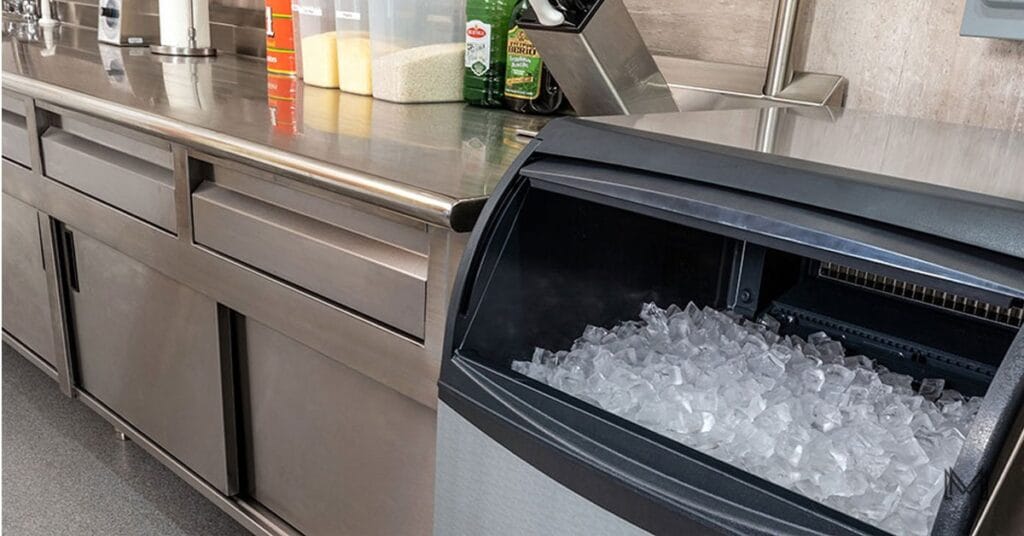
When you look at the ice cube business, you are looking at a product with a high turnover rate. People buy it, use it, and instantly need more. This creates a recurring revenue model that is the dream of any small business owner. Position yourself as a reliable ice machine vendor in your local community. You will find that the market is much larger. It’s not just the bags sold at petrol stations.
Planning Your Ice Empire
Before you rush out to look for an ice machine on sale, you must have a solid strategy. A common mistake is starting without a clear ice making business plan. This document is your roadmap. It should detail your target market, your delivery logistics, and your financial projections. Many people search for a small ice making business plan PDF free download to get started. Templates are helpful, but you must customise them for the South African context.
In South Africa’s hot climate, ice isn’t just a luxury. It’s liquid gold waiting to be frozen and packaged.
Your plan needs to account for local challenges like load shedding and water restrictions. If you are looking at an ice making business in Durban, your overheads will differ based on municipal rates. Similarly, an ice cream making business in Johannesburg will face different overheads due to local competition. A well-thought-out ice making business plan in the PDF South Africa version will help you secure funding. You can approach banks or government agencies like the SEFA (Small Enterprise Finance Agency). They want to see that you have considered every variable before they hand over any capital.
What Do You Need to Get Started?
A frequent question from young entrepreneurs is, what do you need to start an ice making business? The list is shorter than you might think, but quality is non-negotiable. First and foremost is your location. You need a space that is hygienic, has a robust power supply, and is easily accessible for delivery vehicles. You don’t necessarily need a shopfront. A clean, refurbished garage can often serve as a starting point for a small ice making business.
The second essential is a reliable water source. In South Africa, water quality varies, so investing in a high-grade filtration system is a must. Clear, taste-free ice is what separates a professional ice making business from an amateur one. If your ice is cloudy, you will lose your B2B clients quickly. If it tastes like chlorine, you will lose them even faster than a cube melts in the sun.
Choosing the Right Machinery
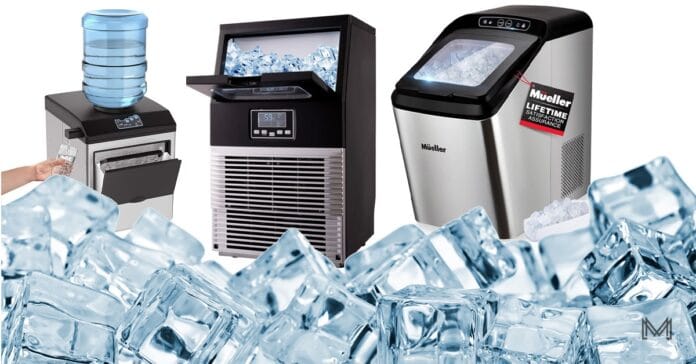
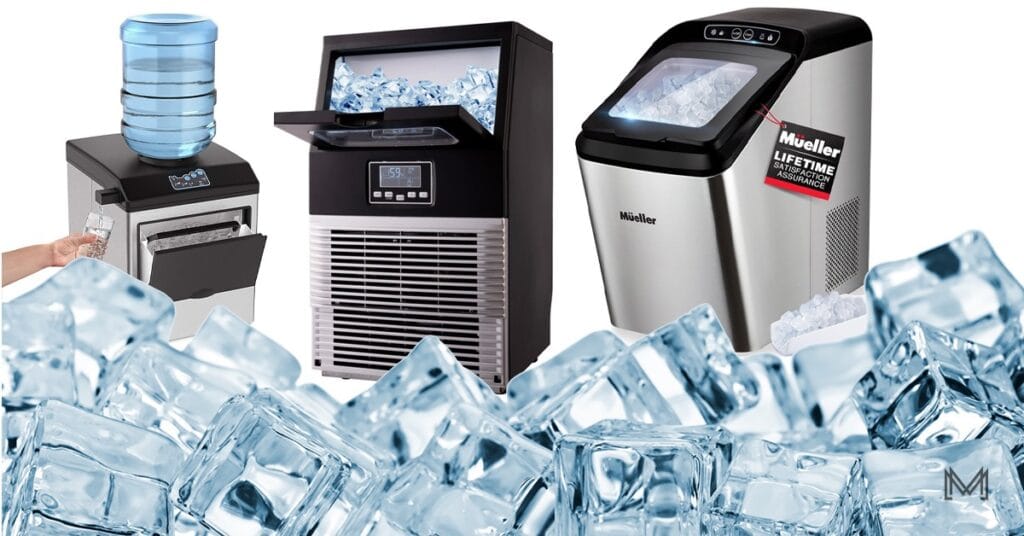
Your choice of equipment is the most significant investment you will make. Searching for ice machines for sale in South Africa will reveal a wide range of options. These include small 20 kg-per-day units. There are also massive industrial plants. If you want to succeed in a commercial ice making business, invest in machines that produce at least 100 kg of ice every 24 hours. Ensuring production efficiency is key. Ideally, they should produce up to 500 kg of ice in the same duration.
When browsing for an ice machine for sale, do not just look at the price tag. Consider the “recovery time”: how fast the machine starts making the next batch after the bin is emptied. Also, check for the availability of spare parts in the country. Buying a cheap import might save you money today. Still, if it breaks in the middle of a December heatwave, your ice business will suffer. There are no technicians to fix it. Many successful owners seek an ice machine business for sale. They prefer where the equipment is already tested. The location is also established.
Understanding the Costs and Profits
You are asking, how much does it cost to start an ice making business? For a small-scale setup, you can start with as little as R20,000 to R50,000. This would cover a decent mid-range machine, basic packaging, and initial marketing. But, for a more robust ice making business for sale, you need upwards of R150,000. A new setup with delivery capabilities also needs this investment.
The profitability is where things get exciting. If you produce a bag of ice for R3, you can sell it wholesale for R9. This includes water, electricity, and plastic. You can also sell it retail for R15. In both cases, your margins are excellent. This is why many people ask if ice making business is profitable in South Africa. The answer is a resounding yes, provided you manage your “shrinkage” (melting) and keep your delivery routes efficient. Whether it is an ice block making business for fishermen, the math usually works in favour of the producer. It also works in a specialised ice cube making business.
Marketing and Finding Your Niche
Once your ice making machine business is up and running, you need to find customers. Don’t just wait for people to find you. Be proactive. Visit local taverns, restaurants, and event planners. Offer them a trial run of your product. Word of mouth is powerful in our communities, but professional branding helps too. Choosing catchy ice making business names can make your brand more memorable.
You can also diversify your offerings. The ice cube business is the standard. Consider the ice block making business for long-haul transport. Alternatively, think about the ice cream making business for a completely different market segment. Some entrepreneurs even look into an ice cream cone making business to complement their frozen offerings. The goal is to guarantee that your machinery is working for you 24/7, maximising your return on investment.
Location-Specific Opportunities
South Africa has unique pockets of opportunity. An ice making business in the Moses Mabida area of Durban could be helpful. It caters to the massive influx of tourists and sports fans during events. Similarly, focusing on an ice cream making business in Johannesburg allows you to tap into the massive urban population. You can also benefit from the booming “foodie” culture in areas like Maboneng or Braamfontein.
If you want a shortcut, you search for an ice making business for sale. Look for one in a specific province. This often comes with an existing client base and proven delivery routes. But, building your own ice cube making business plan from scratch enables you to innovate. You focus on “craft ice”. These are perfectly clear, slow-melting spheres for high-end bars. They fetch a much higher price point than standard bags of cubes.
Navigating the Legal and Health Requirements
You cannot just start selling ice from your kitchen without the proper paperwork. To know how to set up an ice making business correctly, you must register your company with the CIPC. Since ice is classified as food, you need a Health Equivalency Certificate. Alternatively, you can obtain a “Certificate of Acceptability” from your local municipality. This ensures that your ice making business adheres to strict hygiene standards.
Regular water testing is also vital. Your ice making business plan pdf should include a schedule for cleaning your machines and testing your water supply. In the ice cube business, a single health scare can ruin your reputation permanently. Staying compliant is not just about avoiding fines; it is about protecting your brand and your customers.
Logistics: The Final Frontier
The biggest challenge in an ice making business isn’t making the ice; it’s moving it. Ice is heavy, and it melts. To run a successful ice cube business plan, you need a reliable, insulated vehicle. In the beginning, a small bakkie with a canopy and some heavy-duty cooler boxes will suffice. As you grow your ice businesses, you might need a refrigerated truck.
Efficiency is key. Plan your delivery routes to minimise the time the ice spends in transit. If you are running an ice making business in Durban, the humidity will be your biggest enemy. Your insulation must be top-notch. Many successful owners partner with local shops to place “ice chests” (freezers) on-site. They refill these freezers on a regular schedule. This creates a “passive” sales point for your ice making machine business.
Scaling and Future Growth
Once you have mastered the basics of how to open ice making business, think about scaling. You can expand into the ice cream making business? Or start an ice block making business plan for the local fishing industry? The technology in an ice machine for business is akin to that used in commercial refrigeration. Thus, the leap isn’t as huge as it seems.
Reliability often matters more than price in this industry. Customers would rather pay slightly more for ice that arrives exactly when promised.
Keep an eye on the market for an ice machine business for sale that is struggling. Sometimes, you can buy out a competitor for a fraction of the cost. You can then integrate their equipment into your more efficient system. Whether you are monitoring a small ice making business plan PDF or a massive corporate strategy, the key is consistency.
Conclusion: Cooling Down the Competition
Cracking the code of a lucrative ice making business in South Africa requires a blend of grit. You also need local knowledge and smart equipment choices. Start with a solid ice making business plan pdf. Focus on quality. Manage your logistics tightly. These actions will help you build a venture that thrives even in the toughest economic times.
From the bustling streets of Jozi to the coastal vibes of KZN, the opportunity is waiting. You can start an ice cube making business. Alternatively, consider an ice cream making business or an ice block making business. The demand for cold products in our warm country is a goldmine. Grab your ice machine for business, find your niche, and start building your empire one cube at a time. The market is hot, but your future can be ice cold.
Frequently Asked Questions – Start an Ice Making Business
Why is the ice making business so lucrative in South Africa?
The continuous, high demand caused by South Africa’s hot climate makes ice an essential commodity for both the hospitality and industrial sectors.
What are the primary operational costs that impact the profitability of an ice business?
Electricity typically consumes 40-50% of the production costs, followed closely by water usage, packaging materials, and transportation.
What crucial infrastructure is required besides the ice making machine itself?
A reliable water source, adequate electricity capacity, and a proper water filtration system are vital for quality production and long-term success.
How can small ice making businesses differentiate themselves in a competitive market?
Success is often achieved by focusing on absolute reliability, strong customer relationship building, and exploring niche markets like specialised block or flavoured ice.
What legal compliance steps must be followed when operating an ice making business in South Africa?
You must register the business with CIPC, adhere to strict food safety regulations, and secure municipal health certificates and necessary water use permits.


