
The Ultimate Guide on How to Get a Liquor License in South Africa
Starting a business in the hospitality sector is a dream for many young South Africans. You may want to open a vibey rooftop bar. You are considering a neighborhood tavern or a sophisticated wine boutique. There is one major hurdle you must clear before the first bottle pops. You need to understand how to get a liquor license to make sure your business operates within the law.
The spirits and beverage industry in Mzansi is booming. Nonetheless, the red tape can feel like a mountain if you are not prepared. Many entrepreneurs dive in headfirst only to realise that the legal requirements are stricter than they expected. Still, with the right information and a bit of patience, you can navigate the application process successfully. This article will break down everything from costs to provincial requirements, helping you turn your business vision into a reality.
Determining the Liquor License Price and Initial Costs
Before you even fill out a form, you must look at your bank account. Running a business requires capital, and the liquor license price is a significant part of your startup budget. Many people ask, “How much is a liquor license in South Africa?” and the answer is not always a flat rate. Generally, you can expect to pay anywhere from R5,000 to R25,000 for the application alone. Still, the total cost for liquor license acquisition includes more than just the government fee.
Compliance isn’t just about getting the paper; it’s about keeping it. One small slip-up can lead to a suspension that ruins your livelihood.
You also have to consider the “hidden” costs. For example, you will need to pay for a consultant if you aren’t doing it yourself. You will also incur advertising costs in local newspapers. There is also the cost of getting your premises up to code. A tavern liquor license price is slightly more affordable than a large-scale commercial wholesale license. Still, meeting the requirements for the building might be more expensive. When calculating the liquor license cost, always include a buffer for renewals and professional legal advice.
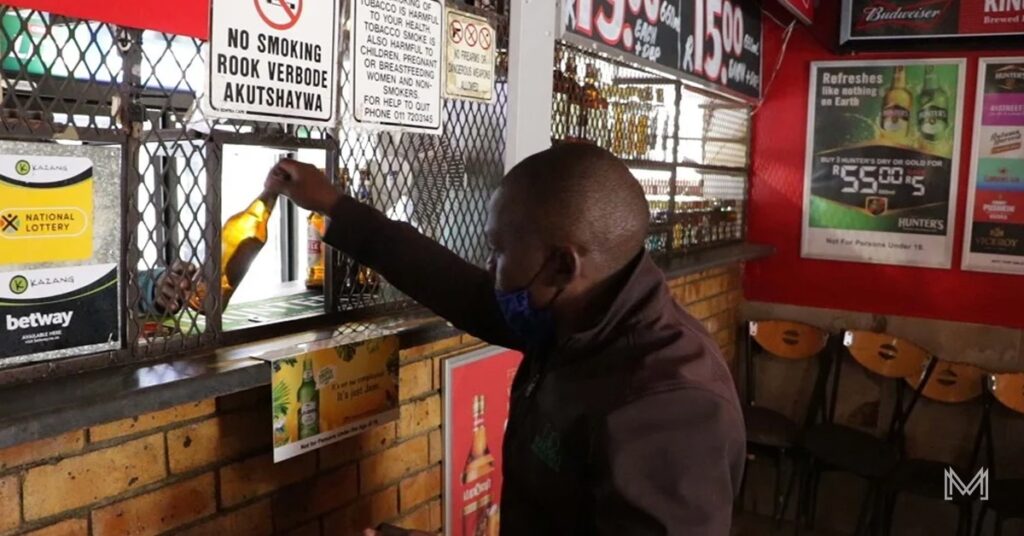
Furthermore, how much is a liquor permit versus a full license? Usually, a permit is for a temporary event, which costs much less, but a permanent licence is a long-term investment. If you are wondering about the liquor license price in KZN specifically, it aligns closely with national averages. Nonetheless, administrative speeds vary. Knowing how much liquor license fees are in your specific area helps you avoid financial stress later.
Different Liquor License Types for Every Business Model
Not all establishments are the same, and neither are their legal requirements. You must choose from various types of liquor licenses depending on how you plan to serve your customers. If you want people to drink at your venue, you need an on-consumption licence. This is standard for restaurants, bars, and clubs. On the other hand, if you are opening a bottle store, you need an off-consumption licence.
Understanding the specific types of liquor license available is crucial. If you apply for the wrong one, it will lead to an immediate rejection. In South Africa, we also have micro-manufacturer licences for those brewing their own craft beer or distilling gin. Additionally, there are special event licences for festivals or pop-up markets. These alcohol licence types are designed to guarantee that the government can regulate how and where booze is consumed.
Moreover, the liquor license types show the diversity of our economy. From the small corner shop to the massive distribution warehouse, each has a specific category. If you are inquiring about the cost of a liquor license in South Africa, be prepared to pay a higher price. This is especially true for a wholesale setup. You should prepare for more intense vetting. Selecting the correct path from the types of liquor licenses in South Africa is important. This ensures you don’t waste time on an application that doesn’t fit your business model. To help you visualise this, let’s look at a breakdown of the common categories.
License TypeBest ForEstimated Application Cost
| License Type | Best For | Estimated Application Cost |
|---|---|---|
| On-Consumption | Restaurants, Pubs, Clubs | R15,000 – R25,000 |
| Off-Consumption | Liquor Stores, Wine Boutiques | R10,000 – R20,000 |
| Tavern License | Community-based bars | R5,000 – R12,000 |
| Wholesale/Distribution | Large scale supply | R25,000+ |
| Micro-Manufacturing | Craft Breweries, Distilleries | R10,000 – R15,000 |
| Temporary/Event | Festivals, Weddings | R500 – R2,000 |
Essential Requirements for a Liquor License
To stand a chance of approval, you must meet the strict requirements for a liquor license. The authorities do not just hand these out to anyone with a cold fridge. First, you need to be a person of good standing. This means you must have a clean criminal record. You need to obtain a police clearance certificate from SAPS. This certificate proves that you are fit to hold such a responsibility.
Secondly, your premises must be suitable. This is where many young entrepreneurs get stuck. Your building needs to have proper ventilation, fire safety measures, and adequate floor space. Most importantly, your business must not be near certain locations. It can’t be within a 500-meter radius of a school, a place of worship, or a library in many regions. These requirements for alcohol license approval are non-negotiable because the government wants to protect sensitive members of the community.
Besides the physical building, you need to prove that you have the right to use the land. This involves getting a zoning certificate or a land-use permit from your local municipality. Without a letter of local authority, your liquor license application will be tossed out. Furthermore, you need to show your tax clearance from SARS and your BEE certificate. Demonstrating your support for transformation in South Africa is essential. It is a significant part of the modern requirements for liquor license success.
Navigating the Liquor License Application Process
The actual liquor license application is a marathon, not a sprint. You can’t simply walk into an office and walk out with a permit. The process starts with a formal submission to the provincial liquor board. In Gauteng, for instance, applications are usually lodged on the first Friday of every month. If you miss that window, you have to wait another four weeks just to start.
Once you submit your liquor license application, a notice must be published in the Government Gazette and local newspapers. This allows members of the community to lodge any objections. If your neighbors are worried about noise or parking, they have the right to speak up. Hence, it is wise to build a positive relationship with the people living around your proposed business site. Do this before you apply.

After the public comment period, an inspector from the liquor board will visit your premises. They will check if your building matches the plans you submitted and if you meet all the safety standards. They will then write a report for the board. If everything is in order, the board will grant the licence. But, if there are issues, you have to attend a hearing to defend your liquor license application. This process can take anywhere from six months to a year, so don’t plan your grand opening for next week!
Regional Variations in the South African Liquor Industry
While the National Liquor Act provides the framework, each province has its own specific board and rules. The liquor license Gauteng process feels faster because of the high volume of business. Nevertheless, the competition is intense, and scrutiny is high. In contrast, the liquor license Western Cape board is very strict regarding noise levels. It also strictly enforces trading hours, especially in urban areas.
You might find variability in distance requirements from schools when looking at the liquor license in the Eastern Cape. The North West region also shows this variability. This flexibility depends on whether the setting is rural or urban. Nonetheless, the core principles of the law stay the same. In the liquor license-free state and liquor license-Mpumalanga areas, the focus is often on boosting local tourism. Thus, licences for lodges and guest houses are common.
For those in the north, the liquor license Northern Cape board handles many applications. The liquor license Limpopo board also deals with several applications for distribution to remote areas. If you are specifically looking for the liquor board in Durban, note that KZN has a very active board. It often holds public hearings for new applications. If you want general liquor license info in KwaZulu-Natal, note that KZN has a very active board.
The actual liquor license application is a marathon, not a sprint. Don’t plan your grand opening for next week!
It often holds public hearings for new applications. Whether you are applying for a liquor license in KZN, check the latest provincial gazette. Make sure you are aware of any fee updates. If you are checking the liquor license price in KZN, make sure to refer to the latest provincial gazette. This ensures you always have the most current fee updates.
Global Trends and Legal Lessons for Entrepreneurs
It is also worth looking at what is happening internationally to see how serious these laws are. In the United States, for example, there have been recent changes to the Indiana liquor license regulations. These changes have affected many small business owners. The Tiffany Hanyard liquor license contempt case is even more dramatic. A local mayor faced legal heat over licensing issues. The Dolton mayor liquor license contempt news shows that failing to follow the rules can lead to severe political consequences. Failing to comply can also result in legal problems.
We also see legislative shifts like the Colorado liquor license bill, which aims to modernise how drinks are sold. These global stories remind us that a licence is a privilege, not a right. For instance, the Bourbon Mill liquor license suspension happened because of a failure to follow safety and age-verification laws. As a South African entrepreneur, you should learn from these mistakes. Compliance isn’t just about getting the paper; it’s about keeping it. One small slip-up can lead to a suspension that ruins your livelihood.
Furthermore, staying updated on news is part of being a professional owner. These events shape how boards view new applications. It is a new law in Mzansi. It be a high-profile case overseas. If you want to know how to obtain a lasting liquor license, start by being a responsible trader. This involves training your staff on spotting fake IDs. It also means ensuring you never serve someone who has clearly had too much to drink.
The Growing Market for Tavern and Community Licences
The township economy is a massive part of the South African business landscape. For many, a tavern licence is the gateway to financial independence. The tarven licence price is often structured to be more accessible for local entrepreneurs. Nevertheless, a tavern liquor license comes with its own set of challenges. Because these businesses are often in residential areas, the board is very careful about granting them.
You need to show that your tavern will not be a nuisance to the community. This means having a plan for security and waste management. Many people ask, “How much is a liquor license for a tavern?” The initial fee is around R5,000. You must also invest in soundproofing and proper toilets to keep your neighbours happy. A tavern liquor license price is an investment in your community’s social life, so it must be handled with respect.
Moreover, the tavern licence is not a “lite” version of a licence. It carries the same legal weight as a licence for a fancy hotel. You still need to submit a liquor license application online where possible or via the regional office. In places like KZN, the liquor license application KZN board pays special attention to the location of taverns. They make sure that taverns don’t overlap too much in one street. Being a tavern owner means being a leader in your community. Make sure your application reflects your commitment to safety.
Final Steps to Obtaining Your Liquor License
To wrap things up, getting your paperwork in order is the most important thing you can do. Make sure your tax affairs are sorted and your building is ready for inspection. Remember, the answer to “How much is a liquor license?” isn’t just the price you pay the board; it’s the time and effort you put into the process. If you are searching for an alcohol licence across South Africa, the steps are clear. The steps are also clear for a liquor license specifically in the Western Cape. Plan, prepare, and persist.
If you are wondering about the liquor license, how much total? Usually budgeting around R30,000 to R40,000 for the whole journey is a safe bet for a small to medium business. This covers your application, ads, and minor renovations. As you move ahead, keep an eye on the local news and provincial updates. The liquor board in Durban or the Gauteng offices are available to help. Still, they expect you to know the law.
In conclusion, the journey to obtaining your liquor license is a test of your dedication as an entrepreneur. It may feel like a lot of paperwork now. Nevertheless, once you have that licence on your wall, it becomes a valuable asset for your business. Stay focused. Follow the law. Soon, you will be capable of saying “cheers” to a successful venture in the South African hospitality industry. Good luck, and may your business grow as fast as your passion!
FAQ’s – Get liquor licence SA: Costs & Steps
How much does it cost to acquire a liquor license in South Africa?
The cost can vary between R5,000 and R25,000, depending on factors such as the type of license, the location, and the municipality’s specific requirements.
Is a BEE certificate mandatory for all applicants?
A BEE certificate is mandatory for legal business entities seeking a liquor license.
What is the process for license renewal?
Annual renewals are required for liquor licenses. We lodge the application for renewal on the first Friday of every month, and publish notices in the government gazette approximately two weeks beforehand.
What are the crucial property requirements?
Property zoning, the size of the premises, and the distance from schools, churches, and other sensitive establishments are all important considerations.
How long does it take to receive a liquor license?
The processing time for a liquor license can take approximately three months from the date of application, although this can vary depending on workload and inspection time.
Applying for a liquor license in South Africa calls for exacting attention to detail, respect for legal processes, and knowledge of particular needs. A successful application depends on interacting with the relevant authorities and knowing the subtleties of the procedure. Your travels should be successful, and your businesses should be lucrative.
- Xost Builds His Afro-Soul Empire with Criminal Records
- Simple SEO Advice for Better Rankings: 7 Simple SEO Tips For Better Rankings
- Becoming a Full-Time Content Creator on YouTube: A Full-Time Guide
- How to Register a Loan Shark Business in South Africa
- Understanding the Broiler and Layer: Chicken Farming in South Africa
- Turning R350 into a Business: 5 Hustles You Can Start with Your Unemployment Grant
- Unlocking the Secrets to Music Promotion in South Africa
- Turning Your Dream into a Reality: A Guide to Start a Guest House Business in South Africa
- 10 Guides to Start a Footwear Business in South Africa
- How to Launch a Security Business in South Africa
- Toilet Paper Manufacturing Business: Where Hygiene Meets Profit
- How to start a pizza business in South Africa
- 10 Genius Ways to Make Money With Your Car in South Africa
- The Food Industry: How to Get Licensing and Permits
- How to Start an Ice Making Business in South Africa
- What to Consider When Buying a Truck for Your Business
- Delivering Dreams: A Guide to Starting a Delivery Business in South Africa
- 3 Reasons Why Small Businesses Don’t Grow Enough – And How to Break Free
- From Dream to Reality: A Guide to Successful Business Opportunities
- Starting a Profitable Crocodile Farm: A Mzansi Money-Making Venture?
- A Complete Guide to Understanding Graphic Design Price List in South Africa
- Food Lovers Market Franchise Exposed: The R300k Monthly Profit Promise
- A Step-by-Step Guide to Starting Your Own Roof Sheet Business in South Africa
- Leadership vs Management: A Vital Distinction in the Modern Workplace
- How Many YouTube Subscribers Do You Need to Start Making Money in South Africa?
- Strategic Location Selection for Business Growth
- Capture the Moment: A Guide to Starting a Photography Business in South Africa
- Bread baking business can help you achieve financial independence!
- Cashing in on Clicks: The 10 Best Paid Survey Affiliate/Referral Programs to Boost Your Income
- Printing Your Way to Profit: A Guide to Starting a Printing Business in South Africa
- From Backyard to Big Business: A Guide to Start a Pig Farming Business in South Africa
- Secure Your Future: 6 Essential Steps Before You Buy Land in South Africa
- Level Up Your Business: Why You Should Submit an Article to Mzansi Magazine
- Unlock Your Entrepreneurial Dreams: A Guide to Registering a Private Company Limited in South Africa
- Mastering the Art of Starting a Fast Food Business in South Africa: A Guide to Success
- From Zero to Hero: 3 Tips to Start a Business with No Money in South Africa
- The Art of Minimal Logo Design: In Branding, Less is More.
- 15 Simple and Profitable Businesses You Can Start with R50k
- From Trash to Treasure: Unlocking South Africa’s Recycling Business Opportunities
- The Benefits of Investing in Professional Online Marketing and Branding Services
- 8 Main Purpose of Developing a Marketing Plan
- Exploring the Top 10 Logo Designs of 2026
- How To Get a Liquor License in South Africa
- Join Our Fundraiser to Scale Online Business Strategy and Insights
- Chicken Licken Fly-Thru: A Lucrative Franchise Opportunity for Aspiring Entrepreneurs
- Start Poultry Farming Business: Backyard to Big Business Guide
- The Top Freelance Graphic Designer in South Africa
- The Ultimate Guide: How to Sale Refurbished and Pre Owned iPhones in South Africa
- 12 Free Advertising Platforms for Your Business in Mzansi Magazine
- R10,000 South Africans Musicians Salary: The Entrepreneur Reality
- 5 Tactics to Improve Your Social Media Accounts
- The Power of Social Media: Advertising Tips for Small Business Owners
- A Guide to Launching Your Internet Cafe Business in South Africa
- South Africa’s Most Profitable Small Businesses
- Turn R20k into R100k in December with an Ice Cream Business
- How to Succeed in the South African Graphic Design Business: Key Skills and Insights
- Financial Freedom Journey | Breaking Free from Financial Slavery
- Top Strategies to Succeed in South Africa’s Real Estate Market
- How to Start a Nail Business in South Africa: A Step-by-Step Guide for Aspiring Entrepreneurs
- Free Online Courses with Certificates & Diplomas Empowering South Africa’s Entrepreneurs
- All You Need to Know to Start Your Own Perfume Business in South Africa
- Potential of Video Production Business in South Africa
- Mastering the Art of Embroidery Business for Entrepreneurs
- Starting a Profitable Interior Design Business in South Africa
- The Hustle Mindset: From Taxi Ranks to Corporate Offices
- Phone and Gadget Repair Services in South Africa: A Startup Guide
- How to Start a T-shirt Business in South Africa
- Financial Freedom vs. Financial Slavery: Breaking Free from Debt in South Africa
- DSTV Installation Business in South Africa: Start-up Guide
- How to Start a Shisa Nyama Business in South Africa
- The Ultimate Guide to Starting a Filling Station Business in South Africa
- Getting Started in the Real Estate Industry in South Africa
- How To Start A Gardening Business In South Africa
- How to Start a WIFI Business in South Africa: A Practical Roadmap for Mzansi’s Next-Gen Entrepreneurs
- How Does Digital Marketing Help Startups Grow?
- How to Start an Aluminium Doors and Windows Manufacturing Business in South Africa
- Why a Website Is Essential to Start an Online Business in South Africa
- Spaza Shop Regulation South Africa: The Ultimate Guide for eKasi Hustlers
- How To Run a Spaza Shop Business in South Africa


